Gulzira_Vassilina
Published on 7 April 2026






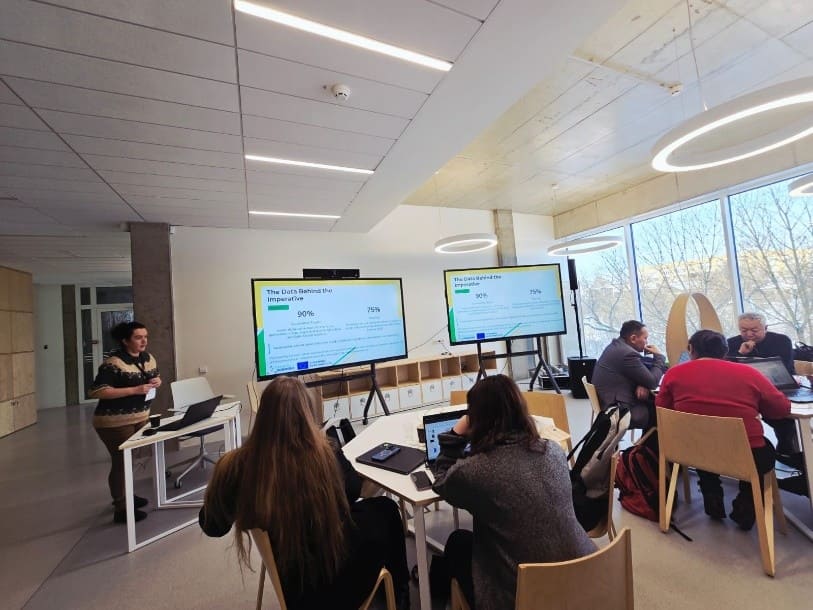
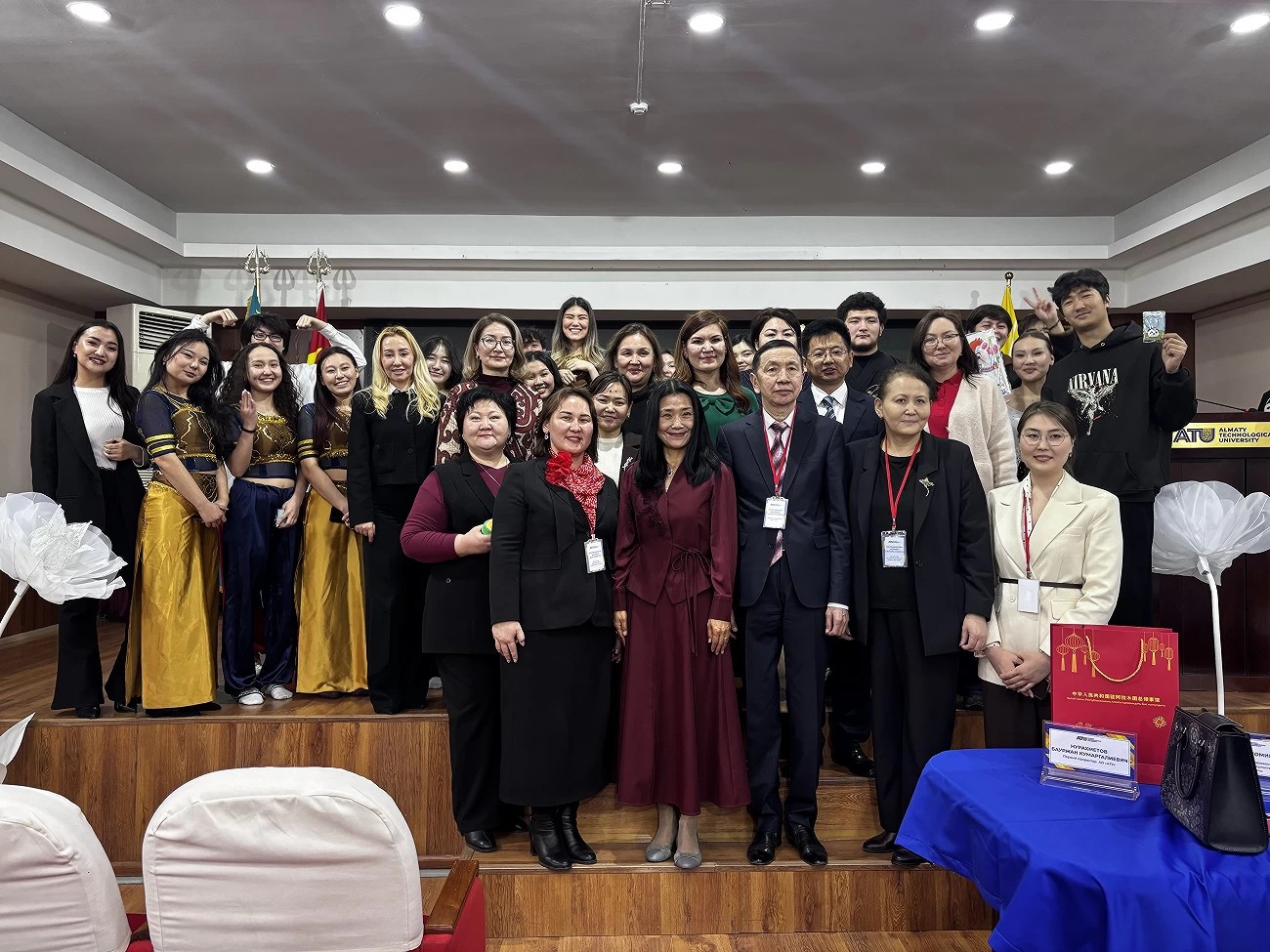
Almaty Technological University (ATU) hosted an international expert dialogue on the future of engineering in the era of artificial intelligence. The roundtable discussion titled “AI in Engineering: Tool, Partner or Competitor?” brought together leading academics, industry representatives, and experts from Kazakhstan and the United Kingdom, highlighting the growing role of universities as drivers of technological transformation.
Opening the event, Vice-Rector for Science and Innovation Bakhodir Aliyev emphasized the strategic importance of integrating AI into the university’s academic and research agenda. Dean of the Faculty of Information Technology Feruza Malikova highlighted the need to modernize educational programs in response to the challenges of the digital economy and evolving labor market demands.
A key international highlight was the presentation by Arman Mazhikayev, a researcher from Loughborough University, who explored the impact of artificial intelligence on firm productivity and workforce transformation. His talk underscored a central global challenge – maintaining a balance between automation and the creation of new professional opportunities.
The practical dimension of the discussion was reinforced by a diverse range of applied case studies. Participants presented solutions in digital twins for the food industry, intelligent control systems, cybersecurity, and AI-driven content generation for education. Particular attention was given to data security, IIoT technologies, and the integration of AI into learning processes.
Experts concluded that artificial intelligence is not a competitor, but a high-tech partner for engineers. This shift requires the development of new competencies, including critical thinking, data verification skills, digital literacy, and the ability to work across disciplines.
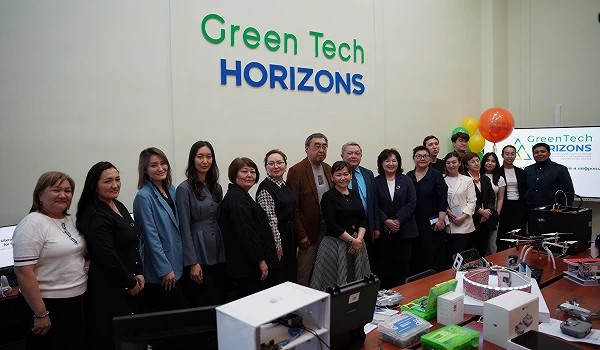
The program concluded with a tour of ATU’s research laboratories, showcasing the university’s capacity to support international collaboration and innovation.
The roundtable marked an important step in positioning ATU as a forward-looking institution shaping the agenda of digital and sustainable development, and preparing the next generation of engineers for the global economy.