


QS Editorial Team
Published on 1 November 2026




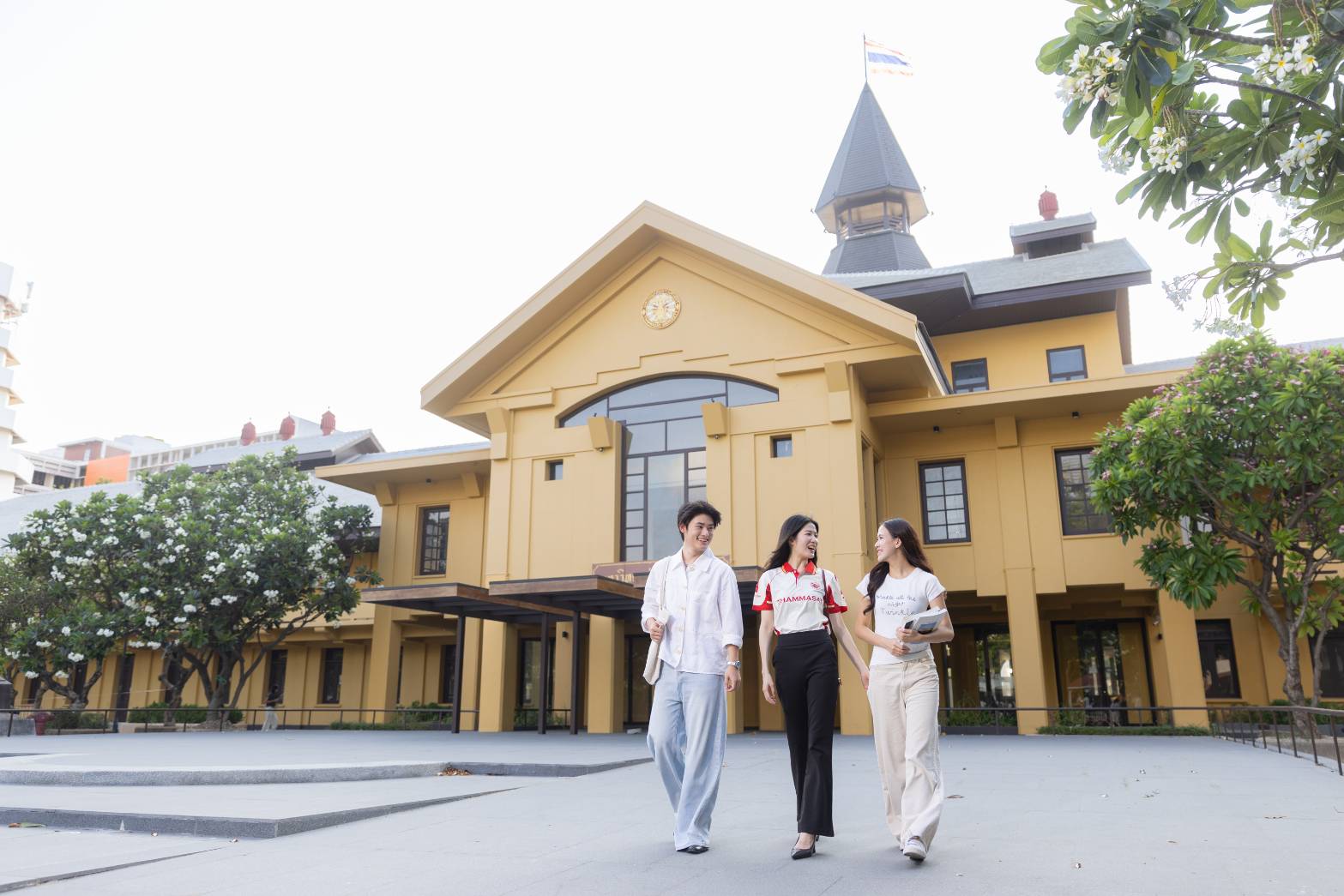
Thammasat University aims to become a "Healthy University" by enhancing physical and mental health care for students and staff. This initiative focuses on education, prevention, counseling, and service standards to create a supportive, sustainable environment for learning, working, and living.
Despite well-being ongoing challenges, Thammasat University is committed to fostering physical and mental well-being by building a comprehensive wellness support system and a conducive environment for its students and staff. Through the TU One Health policy, the university promotes health literacy, disease prevention, and a supportive atmosphere, empowering the community to manage their health and build a healthier campus together.
The key mechanism is "One Health for Future Wellness University" project, which aims to integrate health operations across organizations, promoting collaboration among various agencies to create a safe environment and supporting the incorporation of healthcare into daily life.
The operations also encompass the development of a management system for safety, occupational health, and working environment to enable each department to collaboratively manage risks and promote the health of personnel appropriately. The university also employs the Healthy University Rating System (HURS) from the ASEAN University Network for Health Promotion (AUN-HPN) as a tool to assess progress and establish guidelines for operational development.
Last year, Thammasat University received a 4-star rating in the HURS assessment, reflecting the progress in promoting a wellness-oriented university. The core operation concept lies in fostering a culture of mutual health care, providing opportunities for everyone to participate in self-care and the care of those around them.
Student Mental Health Support System Enhancement
Thammasat prioritizes student mental health, recognizing that stress and emotional challenges deeply impact academic success, work, relationships, and well-being during key life transitions. To support them, the university created the TU Well-Being: Counseling Center. This system offers individual and phone counseling, access to psychiatrists, telemedicine, and coordination for specialized treatment and medication.
The university also develops self-care tools like the TU Wellness app (linked to TU GREATS) to help students monitor their mental health during high-stress periods. Additionally, partnerships with external hospitals expand service options, reducing access barriers and creating a comprehensive student support system.
Raising MHCC Standards for Mental Healthcare Systems Trust
To ensure that mental health care is of high quality and meets the TU Well-Being standards, the Thammasat University Counseling Center has been accredited as a Mental Health Counseling Center (MHCC) in 2026. This represents a significant step in the development of a service system aimed at instilling confidence among service users.
These standards emphasize key components of service provision, including the appropriateness of the location, safety, confidentiality of information, staff qualifications, the counseling process, and follow-up procedures. This ensures that service users receive appropriate care and have clear access to assistance.
The university also trains staff across departments to recognize stress, communicate effectively, and coordinate support safely. Ultimately, Thammasat strives to create a safe, inclusive environment where everyone feels understood and supported, as societal quality begins with individual well-being.

