Universitas Airlangga News
Published on 29 May 2026




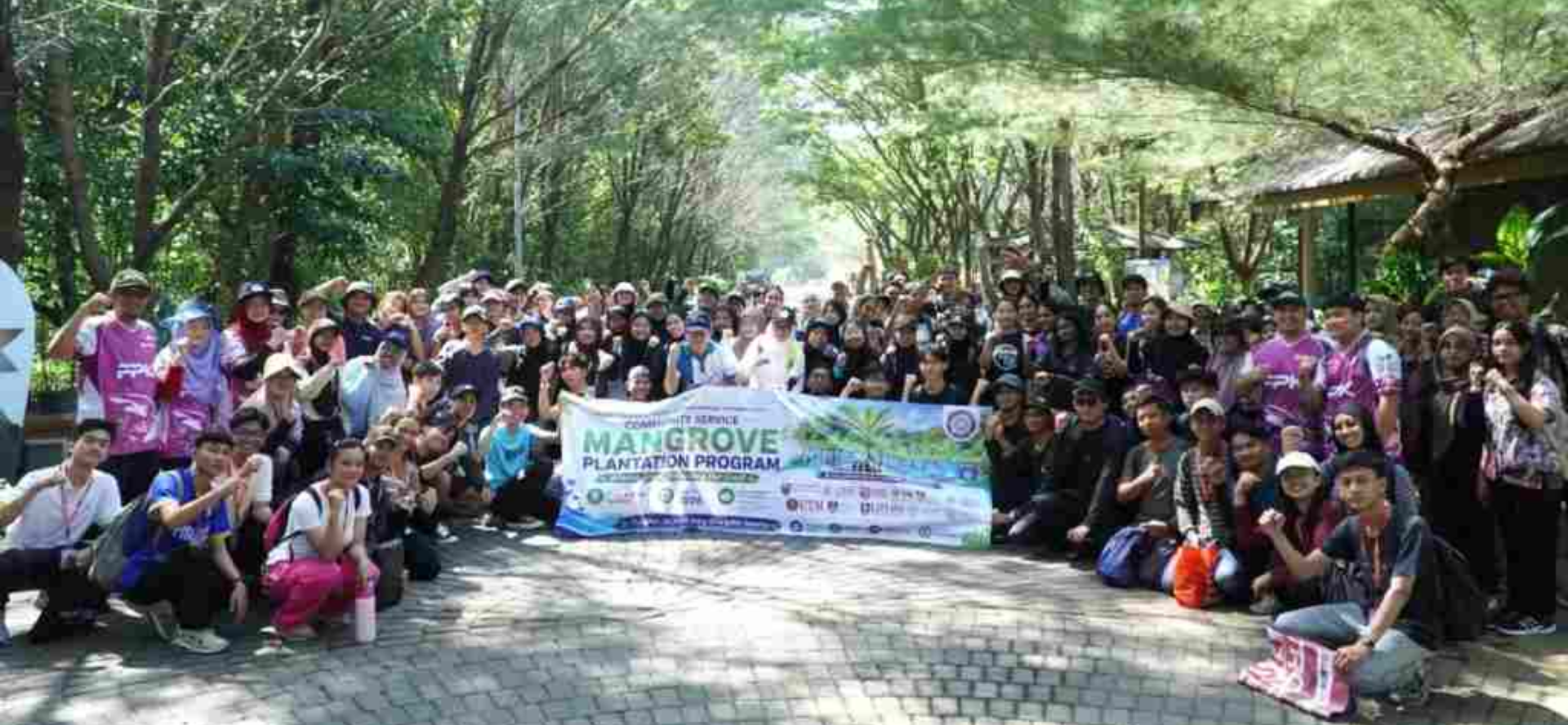
The Faculty of Fisheries and Marine Sciences (FPK) Universitas Airlangga (UNAIR) reaffirmed its commitment to coastal conservation by organizing an international community service program focused on mangrove planting in the Gunung Anyar Mangrove area in Surabaya on Wednesday (May 7, 2026).
The initiative brought together 80 students and five international lecturers from universities in Malaysia, including Universiti Malaya, Universiti Malaysia Sabah, Universiti Putra Malaysia, Universiti Sains Malaysia, Universiti Kebangsaan Malaysia, Universiti Malaysia Terengganu, Universiti Teknologi Malaysia, Universiti Teknologi MARA, and Universiti Tun Hussein Onn Malaysia, as well as from Thailand’s Kasetsart University and Silpakorn University. The event also involved 20 members of the academic community from FPK UNAIR’s undergraduate programs in Aquaculture and Fisheries Product Technology, along with graduate programs in Fisheries Product Biotechnology and Fisheries Science. Faculty of Fisheries and Marine Sciences Dean Prof. Dr. Ir. Endang Dewi Masithah, M.P., and seven faculty members also attended the activity.
FPK UNAIR lecturer Ayulana Nafisyah, PhD, said the program represented a concrete contribution to sustainable coastal ecosystem rehabilitation efforts. Participants planted 100 mangrove seedlings in coastal areas that had previously been converted into aquaculture ponds.
She explained that the activity aimed to reforest the land and restore the ecological role of mangroves in maintaining environmental balance across terrestrial, estuarine, and marine ecosystems. “Beyond acting as a natural defense against coastal erosion and seawater intrusion, mangroves also provide habitats for aquatic species that support the sustainability of marine resources,” she said. Before the planting session, she also briefed participants on the ecological importance of mangroves.
The international community service program formed part of the university’s tridharma mission, particularly in the areas of community engagement and the internationalization of higher education. The participation of international students also reflected FPK UNAIR’s efforts to strengthen global collaboration centered on environmental sustainability issues. Cross-cultural interactions throughout the event further enriched participants’ learning experiences, particularly in understanding the challenges surrounding coastal ecosystem conservation in Indonesia.
During the program, participants were divided into groups to plant mangrove seedlings directly within the rehabilitation site. Prior to planting, the Gunung Anyar Mangrove management team provided guidance on the significance of mangrove ecosystems and proper planting techniques to ensure healthy seedling growth. Participants remained highly enthusiastic throughout the activity, especially as they became directly involved in coastal conservation efforts.
Vice Dean III Annur Ahadi Abdillah, SPi, MSi, PhD, said the initiative was designed not only to protect the environment but also to build collective awareness among students about the importance of sustainable coastal ecosystems. He added that the involvement of international students served as an important opportunity to strengthen global partnerships while introducing Indonesia’s conservation practices to the international community.
The activity also received recognition from the Head of the Surabaya Mangrove Botanical Garden Technical Implementation Unit (UPT), as reflected in an official certificate of appreciation. In addition to its ecological impact, the program served as an educational platform for students to better understand the importance of sustainable coastal resource management.
Through hands-on field experience, participants learned that conservation extends beyond theory and requires concrete action as well as collaboration among multiple stakeholders to ensure environmental sustainability. The program also aligned with several Sustainable Development Goals (SDGs), particularly SDG 13 on Climate Action through coastal rehabilitation as a natural carbon sink, SDG 14 on Life Below Water by supporting coastal habitats and marine biodiversity, and SDG 17 on Partnerships for the Goals through international collaboration among students and academic communities from different countries. Through the initiative, FPK UNAIR hopes to continue fostering environmental conservation awareness and contribute positively to the long-term sustainability of coastal ecosystems.