HKAPA’s Vision for Sustainable Development

Sustainable Development: From Legacy to New Horizons

Art is life, and life is art, as the saying goes.

In practical terms, that means the performing arts are not simply a form of self-expression. They also unite society through collective participation. They can even address issues of global importance such as climate change.

HKAPA has incorporated the United Nations Sustainable Development Goals (SDGs) into its management and curriculum. Academy Director Professor Anna CY Chan believes that responsible artists and cultural leaders should have the courage to blaze new trails rather than simply following the trodden path.

“We need to rethink how to promote the arts in a sustainable fashion,” she says. “Aside from raising public awareness, we need to adopt relevant measures in our artistic practices.”

The Academy aims to provoke a “green revolution” in the local arts industry while also staying committed to passing down its cultural legacy.

Through revitalisation, innovation, education, and community engagement, it strives to foster cultural preservation and artistic exchange, in the hope of creating a sustainable future where people and the environment coexist in harmony.

The ethos inspiring this drive stipulates that an artist’s mission should not be confined to aesthetic pursuits. At a time when climate change and sustainable development are issues of global concern, artists should also concern themselves with their own environmental responsibility as well as the sustainability of the performing arts industry.

The Academy is proactive in its promotion and implementation of sustainability concepts as a result. Building on Europe’s STAGES (Sustainable Theatre Alliance for a Green Environmental Shift) collaboration and the Theatre Green Book, Professor Chan incorporates tradition, innovation and sustainable development into education theory and practical training.

“We need to be aware of the interconnections between artistic creation and ecology, society and the economy,” Professor Chan maintains. “We should deploy technology to enhance cultural preservation, and we should strive to make a change in society and the environment.”

Through interdisciplinary collaboration, the Academy works with different sectors of society to build core ideas on cultural sharing and formulate an effective reform proposal for the cultivation of creative talent. “We need to ensure performing artists of the future and industry leaders are equipped with these social values, and a concern for global trends and topics,” she states. “This is our mission.”

The Imperative of Green Production

On how to turn ideas into action, Professor Chan indicates that the Academy will strive for breakthroughs in sustainable development at all stages of its efforts, from curriculum design, through production and operation, to venue construction. The aim is to redefine local contemporary theatre. Productions such as dance works will be scrutinised to assess their sustainability. “We must ponder how to convey the relevant messages onstage every step of the way, from design concept to backdrop, wardrobe and rehearsal,” Professor Chan indicates.

This new way of thinking will refresh old practices. For example, students will no longer make props just for a single production. They must be made with an eye on re-use.

Professor Chan admits this represents a significant challenge. “Cheap production materials are easily available online,” she concedes. “While they may simplify the props-and backdrop-making process, they exacerbate the problem of over-consumption. Change needs to start with the local industry. Only action can put a stop to high-speed consumption.” She adds that storage space is also a factor in implementing green theatre. “Space is required to keep production materials for the next production. It is another of our considerations.”

To gather views and suggestions, Professor Chan and stakeholders organised the first Hong Kong Culture and Sustainability Conference (CUSU) last November. CUSU is a platform for the pooling of ideas on how to implement sustainable development in Hong Kong, especially in the performing arts. The next CUSU conference, to be held at the Academy this coming October, will explore topics of culture and sustainability from an Asian point of view. The Academy will also share research and empirical data in sustainable performance productions and related areas accumulated over the past year.

Putting Green Living into Practice

Sustainable development may be zealously discussed in global climate conferences, but encouragingly, it is also practicable in almost every moment of daily living. Patrick Lee, Deputy Director (Administration) of the Academy, points out that creating a sustainable campus is a shared mission for the Academy as well as its teachers and students. As such, it requires the dutiful participation of everyone for its success.

“As a forest therapy guide and nature lover, when I see green, I don’t just see a forest, I see environmental protection,” Mr Lee says. “When I take a stroll on campus, I feel the care our members lavish on the environment, such as switching off lights and air conditioning after a lecture to save energy, bringing their own cups and eating utensils to reduce use of disposables, thereby honouring the commitment to zero waste. I see waste being sorted and used items being recycled to give resources a new life and maximise their value.” As these “little” habits build momentum, they contribute to a more sustainable earth.

Mr Lee believes that a sustainable campus is an organic ecosystem teeming with life where, in classrooms, teachers impart professional knowledge as well as concepts of environmental protection and sustainability; and in everyday life, students put theory into practice through green habits and a concern for nature.

“Looking ahead, infrastructure such as green buildings, a rainwater-harvesting system, and solar panels will also become teaching materials, enabling us to live in alignment with nature,” he indicates. 

Mr Lee believes that a sustainable campus is only possible with everyone’s input. He calls upon HKAPA community to sow the seeds of sustainability and water them daily as a good start toward a greener future. “May eco-consciousness extend from the campus to the community, and take us to ever-broadening horizons, becoming a beacon of warmth and light for the world,” he insists.

The Search for Statues

HKAPA aims to be a trailblazer for sustainable development in the arts, from talent cultivation and technological innovation to cultural preservation. In 2003, the Academy was handed the reins for the management and restoration of the historic Béthanie sanatorium, built by Missions Étrangères de Paris (the French Mission).

In the Academy’s hands, the site has transformed into a heritage campus for training talent in film and television. When restoration began, Béthanie had been abandoned for many years. Some of the chapel’s components had been lost, including the statues of the Twelve Apostles. Four were subsequently uncovered. Over the years, the Academy searched high and low, appealing to the public for information on the remaining eight. Last year, what is potentially the fifth statue was discovered.

According to records, Béthanie’s 12 statues of the apostles were crafted in France. The four statues on the Béthanie campus are now replicas. The original statues of St Matthew, St Thomas and St Paul are kept by St. Clare’s Girls’ School, and a fourth is in the possession of a private collector in the US.

Early last year, a local archaeology team contacted the Academy, indicating that a statue of St Johannes at St. Clare’s looked uncannily similar to the three previously discovered at the same location. Willie Kua, Deputy Head of Campus Development, liaised with the team and consulted Philip Soden, who was project director of the Béthanie restoration while serving as Associate Director (Operations) at HKAPA. After extensive field work and comparison studies, they concluded that the statues could very likely belong to the same set.

Mr Soden had asked what’s now called the School of Theatre and Entertainment Arts (TEA) to reproduce the four statues with silicone moulding. Any new replicas should be more advanced. With advanced replication technology now at the School of TEA’s disposal, Mr Kua notes, “3D scanning saves time as it does away with the need for repeated moulding and testing, and allows replicas to be made with environmentally friendly materials.”

Marriage of Technology and Tradition

The person in charge of the replication, Adam Bain, Senior Lecturer in Property Making at the School of TEA, points out that the St Johannes statue has three damaged fingers but is otherwise in fairly good condition. “There were no old photos to use as reference,” he notes. “We could only infer from similar statues how the fingers looked and how they were positioned. This was the biggest challenge.” 

However, other aspects of replication and restoration are simpler. In contrast to the moulding process in use 20 years ago, modern 3D scanning and printing incurs no risk of damage to the original. It is also easier to make adjustments and repairs such as reconstructing the fingers and fixing peeled paint. 

Adam recruited the assistance of The Hong Kong University of Science and Technology to identify the statue’s material using X-ray fluorescence. That analysis detected the presence of volcanic ash. As there are no volcanoes in France, it was assumed the material had come from southern Italy. 

“The result of the analysis was immensely helpful,” Adam says. “A replica needs to honour authenticity, a principle of relic preservation.”

Aside from accuracy, the team also has to ensure their methods are sustainable. “If we were to reproduce the statue using ceramic clay, procuring volcanic ash from southern Italy is not an ecofriendly option,” Adam continues. “Using volcanic ash from Chinese Mainland takes care of that aspect without affecting the results.” Adam says he has approached a local 3D printing service to acquire biodegradable materials that will contribute to a recyclable and degradable finished product that has minimal impact on the environment.

Technology has changed the way props are made. Computer-controlled procedures minimise carbon emissions and the production of solid waste. But Adam stresses that digital technology and Artificial Intelligence can never replace traditional craft. “We cannot jump from zero to 3D,” he says. “We need to understand traditional craft while also learning to use technology. Both approaches hold their own worth.”

The School of TEA is integrating know-how and experience gleaned from this project into its curriculum. Or Pui-yee, a fourth-year student in the Department of Theatre Design, sees this as a great learning opportunity. 

“Projects in the past leaned heavily towards stage production,” Ms Or says. “This one, being about relic preservation, opens up a path for the application of production technology to other areas.” She will replicate the statue using materials that are as close to the original as possible, and her work will be displayed at the graduation exhibition in June and July.

Legacy and Development

St. Clare’s Girls’ School, around 1.5 kilometres west of the Béthanie campus, was founded in 1927. Principal Mrs Cherry Chan points out that St. Clare’s started out as a convent of the school’s sponsoring body, the Missionary Sisters of Our Lady of the Angels from Canada. The nuns lived at the site for many years. Mrs Chan speculates that the French Mission, which sold the Béthanie site in 1974, passed the statues to the sisters to keep. The apostles have watched over generations of teachers and students at St. Clare’s as a result. Mrs Chan ascribes St. Clare’s connection with HKAPA, on the eve of the school’s centenary, to serendipity and “god’s will”. “HKAPA is an ideal manager for the Béthanie,” she says. “It has the resources, talent and professional knowledge to make replicas of the statues, which in turn offer students opportunities for research and hands-on learning. All this has been extremely meaningful.”

The Béthanie which opened as a sanatorium for missionaries in 1875, celebrated its 150th anniversary last year. This year, 2026, marks the 20th anniversary of the Academy’s official takeover of the site. To rediscover the likely statue of St Johannes at this time suggests the Academy is headed in the right direction, working on the sustainable and interdisciplinary preservation of relics, to safeguard history for future generations.St Johannes at this time suggests the Academy is headed in the right direction, working on the sustainable and interdisciplinary preservation of relics, to safeguard history for future generations.
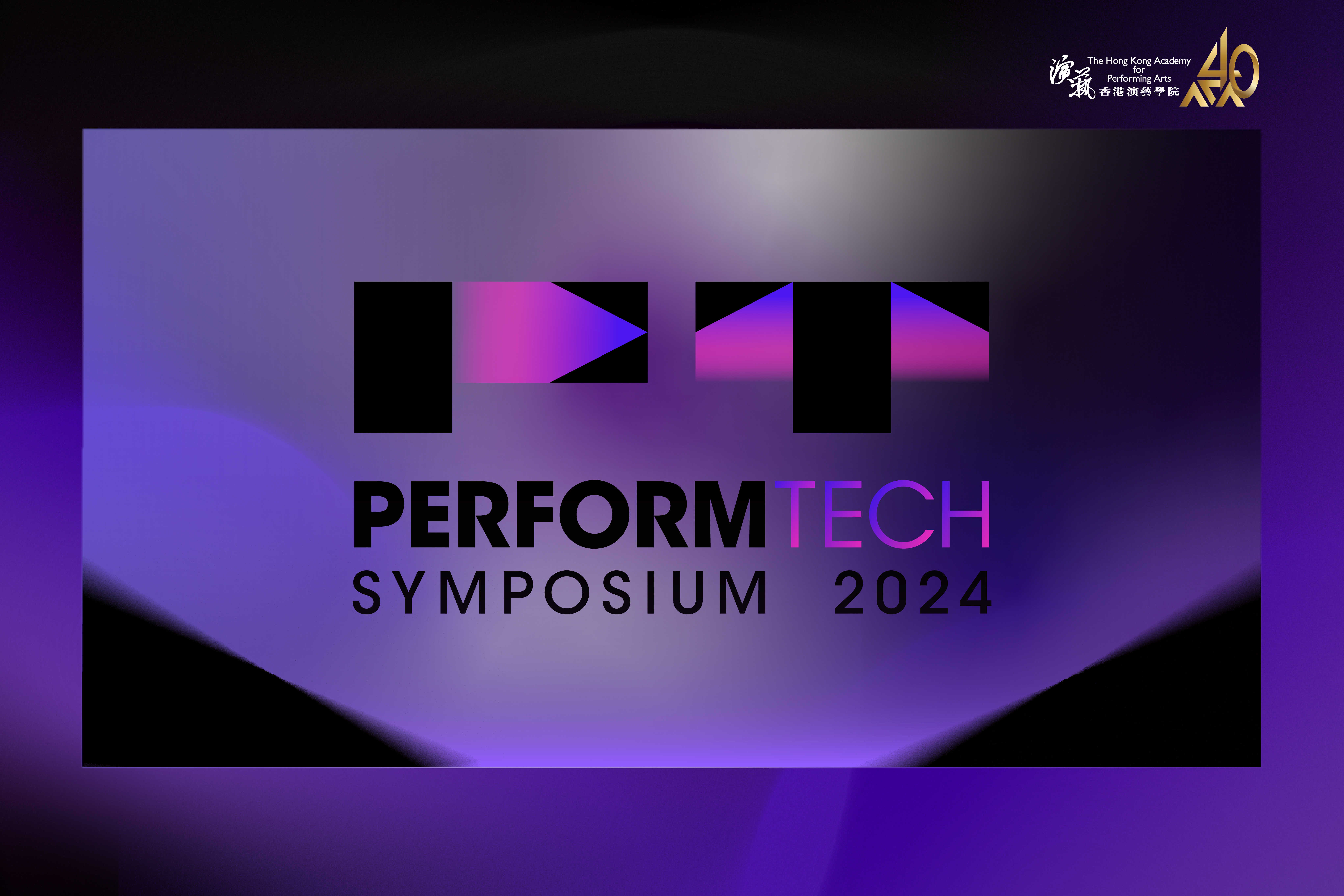
HKAPA PerformTech Symposium 2024: Staging the Future of Performing Arts

In celebration of the Academy’s 40th Anniversary, you are cordially invited to join our 3-day symposium (15-17/10), where we will delve into the profound impact of technology, including artificial intelligence and machine learning, on theatrical practices, scenography, film production, and arts education. The two showcase performances collaborated by artists and students, intertwining dance and music with groundbreaking technologies are also not to be missed!

“The PerformTech Symposium will be an inspiring event with leading practitioners sharing their insights in the latest developments in technology-enhanced live entertainment.”
– Jim McGowan, Acting Dean of Theatre and Entertainment Arts

For details and ticketing, please check out www.cityline.com from September 12.

HKAPA continues to embrace world, nurture next generation of performing artists

The Hong Kong Academy for Performing Arts strives to provide the students with opportunities to engage in international competitions and exchange programmes in the Mainland and overseas to widen their horizons. In the last academic year, students of the School of Music travelled to various places, including the Mainland, Switzerland, the United States, Thailand, etc., to collaborate with local artists. These programmes have helped students further arts and cultural development on the global stage.

HKAPA ignites cultural exchange, nurtures young musicians through Greater Bay Area Youth Orchestra

Following last year’s successful debut concert tour, the Greater Bay Area Youth Orchestra (GBAYO), presented by The Hong Kong Academy for Performing Arts (HKAPA) and supported by the Swire Group as Founding Patron, has returned for a second tour across four cities in the Greater Bay Area (GBA). This year’s concert tour, Romancing the Dragon, continues the mission of cultural exchange and fostering talents by gathering 93 promising young musicians aged between 16 and 24 from Hong Kong, Macau, Guangzhou and Shenzhen for 11 days of training and live concert performances.

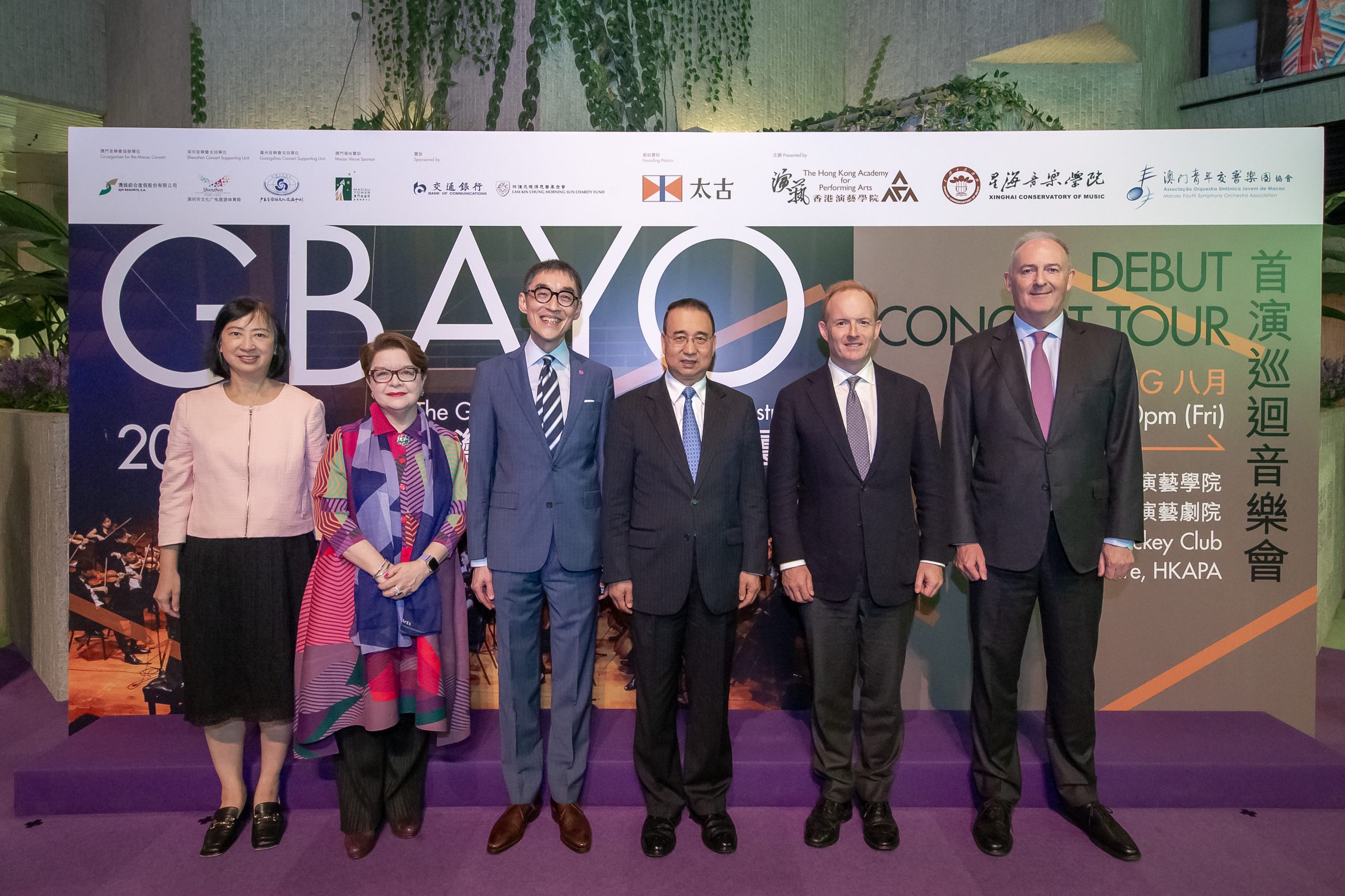
Officiating guests of this year’s opening concert in Hong Kong on July 8 included Mr. Raistlin Lau JP, Acting Secretary for Culture, Sports and Tourism of the HKSAR Government; Mr. Charles Yang BBS JP, Council Chairman of HKAPA; Professor Gillian Choa, Director of HKAPA; and Mr. Guy Bradley, Chairman of Swire Pacific Limited.

The GBAYO is a unique platform for cultural and artistic exchange amongst young musicians in the region. The opening performance this year took place at HKAPA’s Hong Kong Jockey Club Amphitheatre, giving the wider public an opportunity to enjoy the captivating performances of the young musicians. The GBAYO will perform in its second concert at The University of Macau – University Hall (N2) on July 10, while audiences in the Mainland will be able to enjoy two more performances at the Concert Hall of Xinghai Conservatory of Music in Guangzhou on July 11, and at the Shenzhen Grand Theatre on July 12.

Uniting young artists on a musical journey to enrich culture and cultivate talents

The GBAYO initiative was created to nurture young musicians in the region, providing them with an opportunity to hone their skills and pursue the highest standards of orchestral performance.

In April, the programme began a recruiting process and welcomed 93 members from across the Greater Bay Area. The young musicians honed their skills further, thanks to 40 hours of exclusive training with 13 renowned instructors in a training camp at HKAPA in Hong Kong from July 2 to July 7.

Prof. Gillian Choa, Director of HKAPA, remarks, “Following the resounding success of last year’s debut concert, we are pleased to once again bring the enchantment of music to the public by the Academy’s School of Music and our institutional partners in the Greater Bay Area, including Xinghai Conservatory of Music and The Macao Youth Symphony Orchestra Association. Echoing the Year of the Dragon, symbolising wisdom, prosperity and success, this year’s concert is titled Romancing the Dragon. With a captivating blend of classical and contemporary pieces, we hope to create a symphonic journey for the audiences near and far to immerse in the essence of the dragon’s spirits and amazing energy. As a higher education institution dedicated to fostering performing artists and cultural leaders, the GBAYO aims to provide a platform for the highest standard of classical orchestral performance in the region, nurturing young talents through professional training and coaching by world-renowned musicians. I would like to take this opportunity to express my heartfelt gratitude to the Culture, Sports and Tourism Bureau of the HKSAR Government for being a supporting organisation of the concert tour this year. My special thanks also go to the Founding Patron, Swire Group, as well as other sponsors and supporting partners, including Culture, Media, Tourism and Sports Bureau of Shenzhen Municipality as well as SJM Resorts S.A., for their generous support for the concert tour.”

Sharing the dragon spirit across the GBA

Under the baton of Prof. Sharon Choa, HKAPA’s Professor of Music (Conducting and Cultural Leadership), students from Hong Kong, Macau, Guangzhou, and Shenzhen showcased their flourishing skills through their exceptional performances.

This year’s GBAYO has mastered a repertoire that includes pieces such as Leonard Bernstein’s Symphonic Dance from West Side Story, Chan Ming-chi’s Dragon Roaming the Earth, Tan Dun’s Crouching Tiger Concerto (4th and 5th movements) and Pyotr Ilyich Tchaikovsky’s Romeo & Juliet Fantasy Overture.

The GBAYO believes that music can connect young people from diverse backgrounds who aspire to pursue their dreams alongside one another. The cooperation and support from all sectors of society are crucial in encouraging young people to participate in cultural exchanges and ensure the thriving development of the GBA.

“We are pleased that the GBA Youth Orchestra remains committed to its founding aspiration of promoting cultural exchange and integration in the GBA. The success of the GBAYO is symbolic of the deepening cooperation between Hong Kong, Macau and our neighbouring cities in Guangdong, as the GBA continues to go from strength to strength. As a company deeply rooted in Hong Kong, and with an expanding presence in the GBA, Swire is honoured to continue our patronage of this inspirational youth initiative. Our support for the orchestra is an example of our long-standing commitment to promoting youth development, as well as the arts and culture, within our communities,” said Mr. Arnold Cheng, Director, Guangdong-Hong Kong-Macao Greater Bay Area, John Swire & Sons (China) Limited.

Established in July 2022 by HKAPA, in partnership with Xinghai Conservatory of Music and The Macao Youth Symphony Orchestra Association, with support from the Swire Group as Founding Patron, the GBAYO aspires to be one of the top global youth orchestras.

With a vision to elevate the musical standard in the GBA and establish a world-class platform for classical orchestral performances, the GBAYO hopes its upcoming tour can captivate audiences with exceptional talent and the meticulously selected programme which echoes the theme of Romancing the Dragon.

HKAPA Director’s Leadership Series successfully concludes

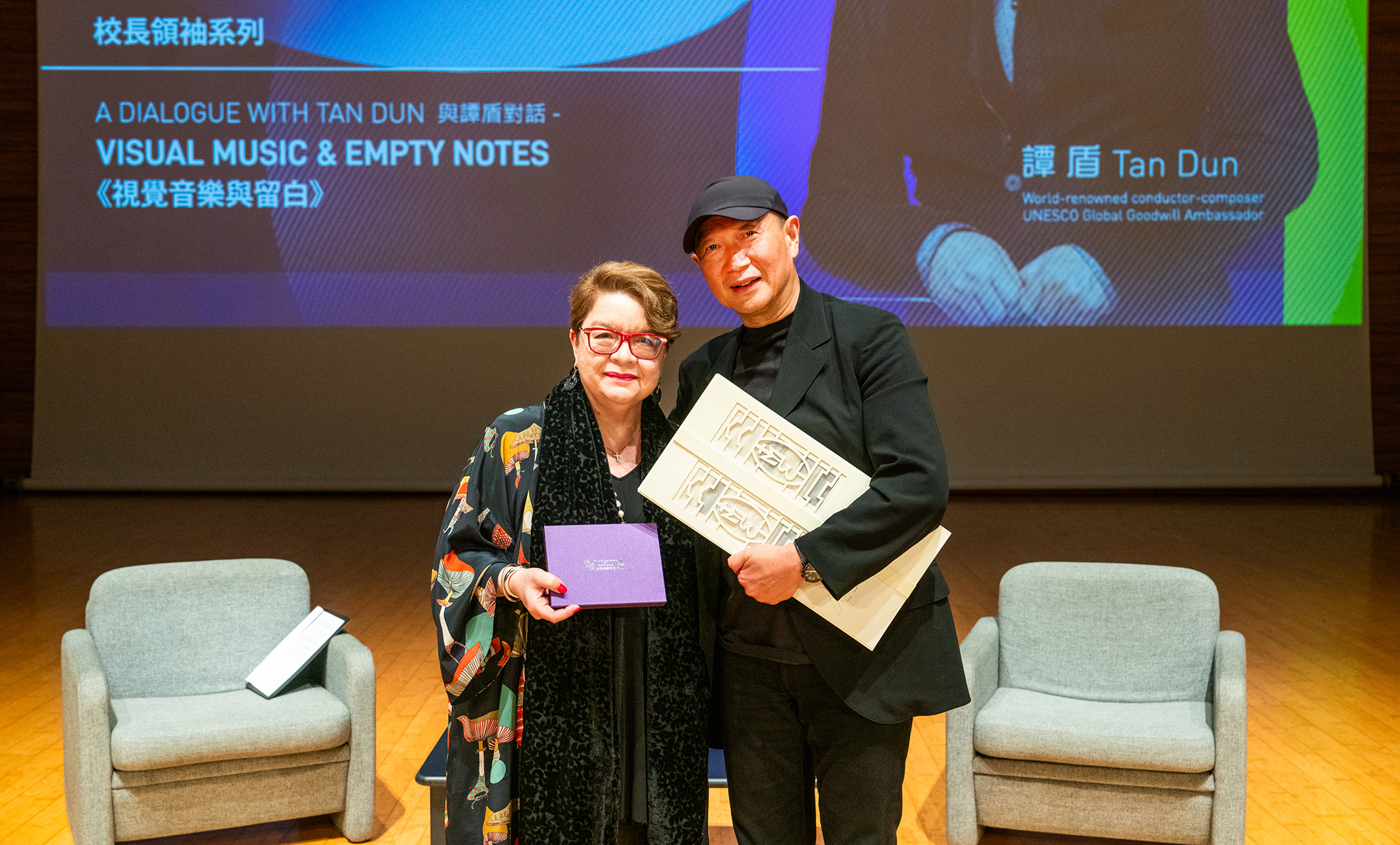
The Hong Kong Academy for Performing Arts (HKAPA) is honoured to have invited Mr. Tan Dun, a world-renowned conductor-composer, UNESCO Global Goodwill Ambassador and Hong Kong’s Ambassador for Cultural Promotion, to visit the Academy for a dialogue and sharing session with Academy Director Professor Gillian Choa on March 28, 2024.


The event titled “Director’s Leadership Series: A Dialogue with Tan Dun – Visual Music & Empty Notes”, which was held in Hong Kong Jockey Club Amphitheatre of the Academy, attracted and engaged about 400 participants in the intellectual exchange on music, arts and leadership.

Art March: About 8,500 Visitors Enjoy Over a Hundred Free Performing Arts Activities at HKAPA Open Day

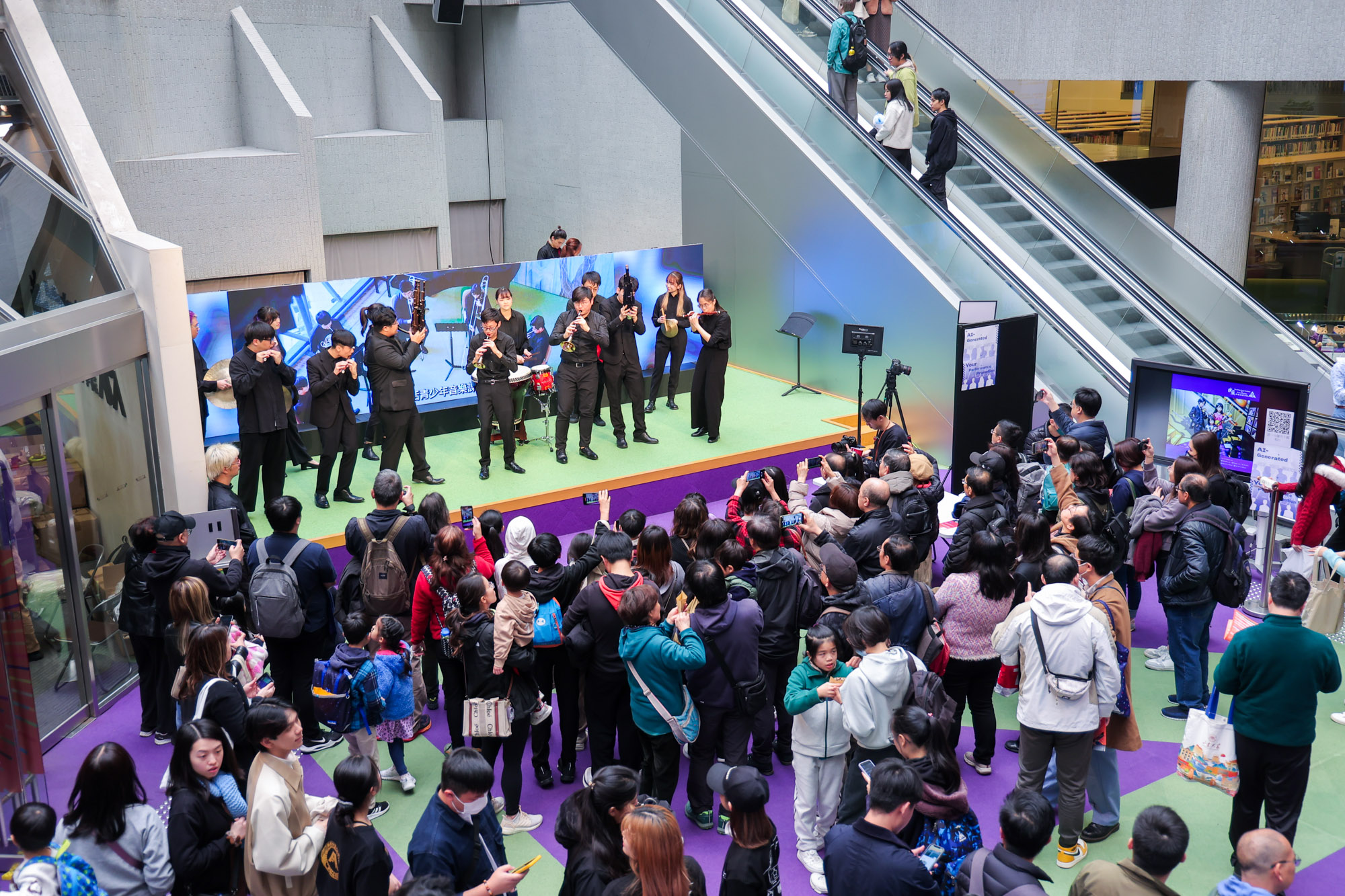
At the beginning of Art March, The Hong Kong Academy for Performing Arts (HKAPA) pulled together the efforts of the six Schools and various units and held its annual Open Day today. Filled with over a hundred free performing arts activities, with highlights on artificial intelligence (AI) and art technology, the event drew about 8,500 visitors to the Main Campus in Wanchai and the Bėthanie Landmark Heritage Campus in Pokfulam.

Professor Gillian Choa, Director of the Academy remarked, “This annual Open Day is one of the Academy’s most significant community events as it allows us to spread the fun as well as the latest developments of performing arts in the Academy to thousands of members of the public over the years. We are committed to continue to embrace educational innovation to nurture young talents and contribute to the art and cultural development in Hong Kong, the Greater Bay Area and the region.”

A wide array of performing arts activities included a performance by Junior Symphony Orchestra, concerts of Chinese and Western music, excerpt performances of musicals, drama, Cantonese opera, dance open classes, film and television screenings, and guided tours for immersive performing arts activities. Furthermore, visitors went backstage to discover the secrets behind the scenes, including stage design, props and costume making, as well as stage effects exhibitions, indulging themselves in the world of performing arts on the day. The “On Stage @ HKAPA Digital” of the Academy Library also allowed visitors to step onto different stages virtually and take digital photos of themselves as characters in Academy productions.

About The Hong Kong Academy for Performing Arts (www.hkapa.edu)

The Hong Kong Academy for Performing Arts (HKAPA), established by The Hong Kong Academy for Performing Arts Ordinance in 1984, is a leading tertiary institution in the performing arts in Asia. It provides professional undergraduate education and practice-based postgraduate studies. The study encompasses Chinese Opera, Dance, Drama, Film and Television, Music, and Theatre and Entertainment Arts. Its educational philosophy reflects the cultural diversity of Hong Kong with emphasis on Chinese and Western traditions, and interdisciplinary learning. Since 2008, the Academy has attained the Programme Area Accreditation (PAA) status awarded by the Hong Kong Council for Accreditation of Academic and Vocational Qualifications (HKCAAVQ) to self-monitor and accredit its own undergraduate and post-secondary programmes in the five programme areas of Dance, Drama, Film and Television, Music, and Theatre and Entertainment Arts. Since 2016, the PAA status has been extended to cover Master’s Degree programmes and below; and since 2023, the programmes operated by the School of Chinese Opera accredited by HKCAAVQ has also received PAA status for its post-secondary and undergraduate programmes.

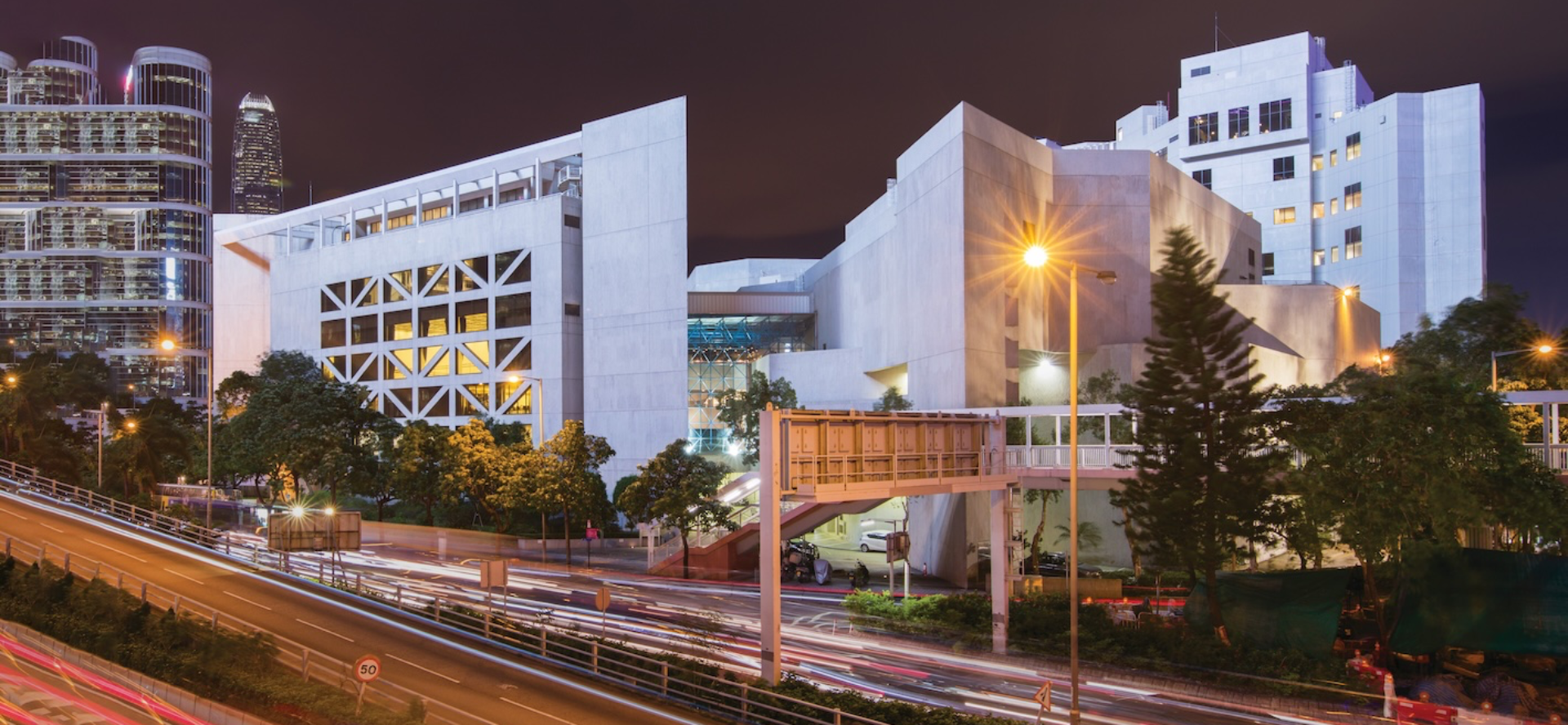
Besides the main campus in Wanchai, Béthanie, the site of the Academy’s Landmark Heritage Campus in Pokfulam, has housed training facilities for the School of Film and Television since 2006.

In the QS University Rankings announced in 2023, the Academy ranks 1st in Asia and 13th in the world in the Performing Arts category.

HKAPA Signs MOU with Department of Training of The Ministry of Culture, Sports and Tourism of Vietnam

The Hong Kong Academy for Performing Arts (HKAPA) announced on 19th September the signing of a Memorandum of Understanding (MOU) with the Department of Training of the Ministry of Culture, Sports and Tourism of The Socialist Republic of Vietnam (Department of Training) to promote educational exchange in arts and culture between Vietnam and the Academy.

The Academy is honoured to welcome a delegation of 22 people, led by H.E. Mr. Pham Binh Dam, Consul-General of Vietnam in Hong Kong, and Associate Professor Dr. Le Anh Tuan, Director General of the Department of Training of Vietnam.

The MOU was signed by Associate Professor Dr. Le Anh Tuan, Director General of the Department of Training of Vietnam, and Professor Gillian Choa, Director of HKAPA. Witnessing the signing of the MOU were Professor Douglas So, Acting Council Chairman of HKAPA, and ​H.E. Mr. Pham Binh Dam, Consul-General of Vietnam in Hong Kong.

The MOU outlines the principles and scope of collaboration, aiming to enhance professional knowledge and skills in the performing arts sector in Vietnam. Under the MOU, selected Vietnamese students will participate in education and training programmes organised by HKAPA. Cooperation and cultural exchange activities between HKAPA and the training institutions under the Ministry of Culture, Sports and Tourism of Vietnam will be encouraged.

Professor Douglas So, Acting Council Chairman of HKAPA, welcomes the collaboration, stating, “The signing of the MOU today signifies our commitment to fostering closer ties between the Academy and Vietnam in the field of performing arts education. Through this collaboration, we envision a wide range of arts and cultural activities that will strengthen our artistic communities. By joining hands with the Department of Training of the Ministry of Culture, Sports and Tourism of Vietnam, we look forward to creating meaningful opportunities for artistic exchanges, talent development, and collaborative projects in Asian performing arts.”

HKAPA, Swire orchestrate inclusion through Greater Bay Area Youth Orchestra Debut Concert

Established and directed by The Hong Kong Academy for Performing Arts (HKAPA) with the support of the Swire Group as Founding Patron, the Greater Bay Area Youth Orchestra (GBAYO) made its debut on 11 August at the Hong Kong Jockey Club Amphitheatre of the HKAPA, kicking off its four-city tour in the GBA. Officiating guests included Mr. Liu Guangyuan, Deputy Director of the Liaison Office of the Central People’s Government in the Hong Kong SAR; Prof. Douglas So Cheung-tak, BBS JP, Acting Council Chairman of HKAPA; Ms. Michelle Li, Permanent Secretary for Education of the HKSAR; Prof. Gillian Choa, Director of HKAPA; Mr. Merlin Swire, Chief Executive Officer of John Swire & Sons Limited and Mr. Guy Bradley, Chairman of Swire Pacific Limited. RTHK Radio 4 will arrange a delayed broadcast of the Debut Concert at 8 pm on 14 August 2023 to share the joy of music with the public at large. The young musicians from Guangdong, Hong Kong, and Macau departed the next day for their second concert at the Macau Tower.

GBAYO is the first dedicated initiative for young musicians in the region by HKAPA. It aims to enhance interaction among young talents in the GBA and encourages cultural exchange. Following the first two concerts in Hong Kong and Macau, the youth orchestra will continue to put together delightful evenings of musical performances for audiences at the Shenzhen Grand Theatre and Guangzhou Xinghai Concert Hall.

An unparalleled cultural and artistic exchange platform in the GBA

GBAYO was established in July 2022 by HKAPA, in partnership with the Xinghai Conservatory of Music and the Macao Youth Symphony Orchestra Association, supported by Swire Group as the Founding Patron. It strives to be one of the top youth orchestras globally with the vision of elevating the musical standard in the region while establishing an internationally recognised platform for classical orchestral performances.

The orchestra began recruitment for its inaugural training camp and concert tour in February, inviting young orchestral musicians aged 16 to 24 who were either born, graduated, currently living, studying, or working in the GBA to enroll. The GBAYO was thrilled to welcome 88 young musicians from the GBA. They participated in a training camp from 31 July to 11 August at HKAPA in Hong Kong and received around 60 hours of training from 13 renowned instructors.

“We are honoured to host the meaningful GBAYO Debut Concert at HKAPA, where the artistic direction and the educational part of the programme are presented by the School of Music. My most sincere gratitude to everyone involved. This unprecedented project aims to provide young GBA music talents with a unique opportunity to perform in a youth symphonic orchestra of the highest level while collaborating and sharing experiences with other young artists. The 12-day summer camp preceding the debut concert tour was hosted at the HKAPA premises featuring a world-class group of coaches, an intense rehearsal programme, and cultural activities,” said Dr. Iñaki Sandoval, Dean of the School of Music, HKAPA.

School-enterprise cooperation empowers art and cultural integration of GBA youth

Conducted by Sharon Choa, Head of Conducting and Cultural Leadership of HKAPA, students from the three regions demonstrated their dedicated effort to the training. They cultivated rapport through performing selected music pieces, including Beethoven’s Triple Concerto, Dvorak’s Symphony No.9 “From the New World”, and Tan Dun’s Internet Symphony “Eroica”.

Through music, the GBAYO connects young people from diverse backgrounds who have similar aspirations to pursue their dreams together. The cooperation and support of all sectors of society is crucial to encouraging young people to participate in cultural exchange and maintain the sustainable development of the GBA.

“The development of the GBA has brought unparalleled opportunities on social, economic, and cultural fronts. As a company deeply rooted in Hong Kong with an expanding presence in the GBA, Swire is honoured to be Founding Patron of the GBAYO. Underlining our support is the belief that, through music, we can promote cultural exchange and youth development in the GBA, in line with our commitment to supporting the youth, arts, and the cultural enrichment of the communities in which we operate,” said Mr. Arnold Cheng, Director, Guangdong-Hong Kong-Macao Greater Bay Area, John Swire & Sons (China) Limited.

HKAPA is honoured to be named “Best Performing Arts Institute of the Year”

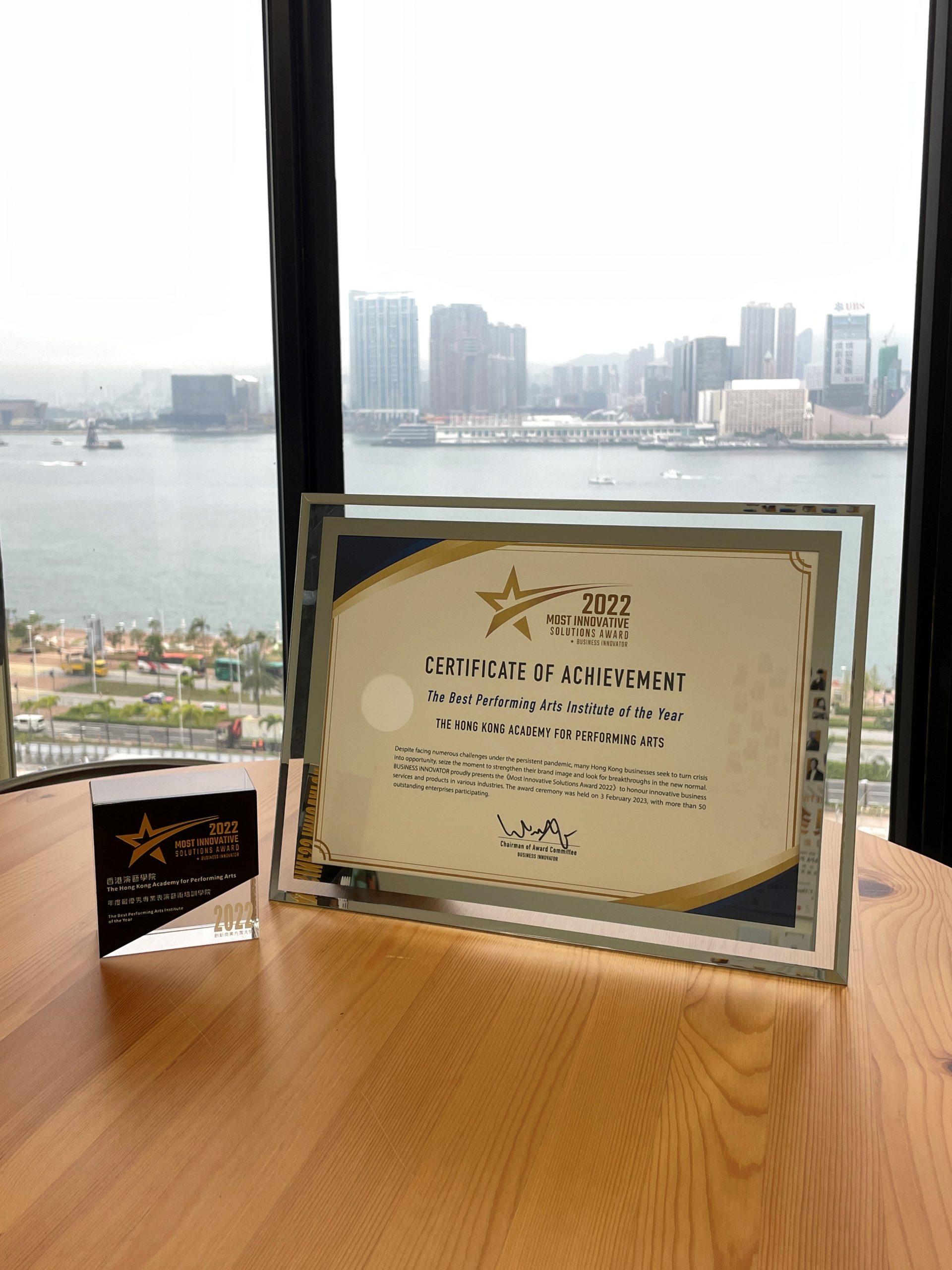
The Hong Kong Academy for Performing Arts (HKAPA) is delighted to be awarded “The Best Performing Arts Institute of the Year” from Business Innovator for its achievements in performing arts education.

HKAPA provides professional undergraduate education and practice-based postgraduate studies. The study encompasses Chinese Opera, Dance, Drama, Film and Television, Music, and Theatre and Entertainment Arts.

HKAPA has remained 1st in Asia for four consecutive years and 10th in the world for two consecutive years in the latest QS University Rankings’ Performing Arts category and will continue to strive for excellence in nurturing performing artists and enrich cultural developments locally, regionally and internationally.


HKAPA: experience new performing arts technology

Presented by the Department of Media Design and Technology of the School of Theatre and Entertainment Arts of The Hong Kong Academy for Performing Arts (HKAPA), CMA Prologue is an experiment of Performing Arts and Technology at the Collective Media Atelier (CMA).

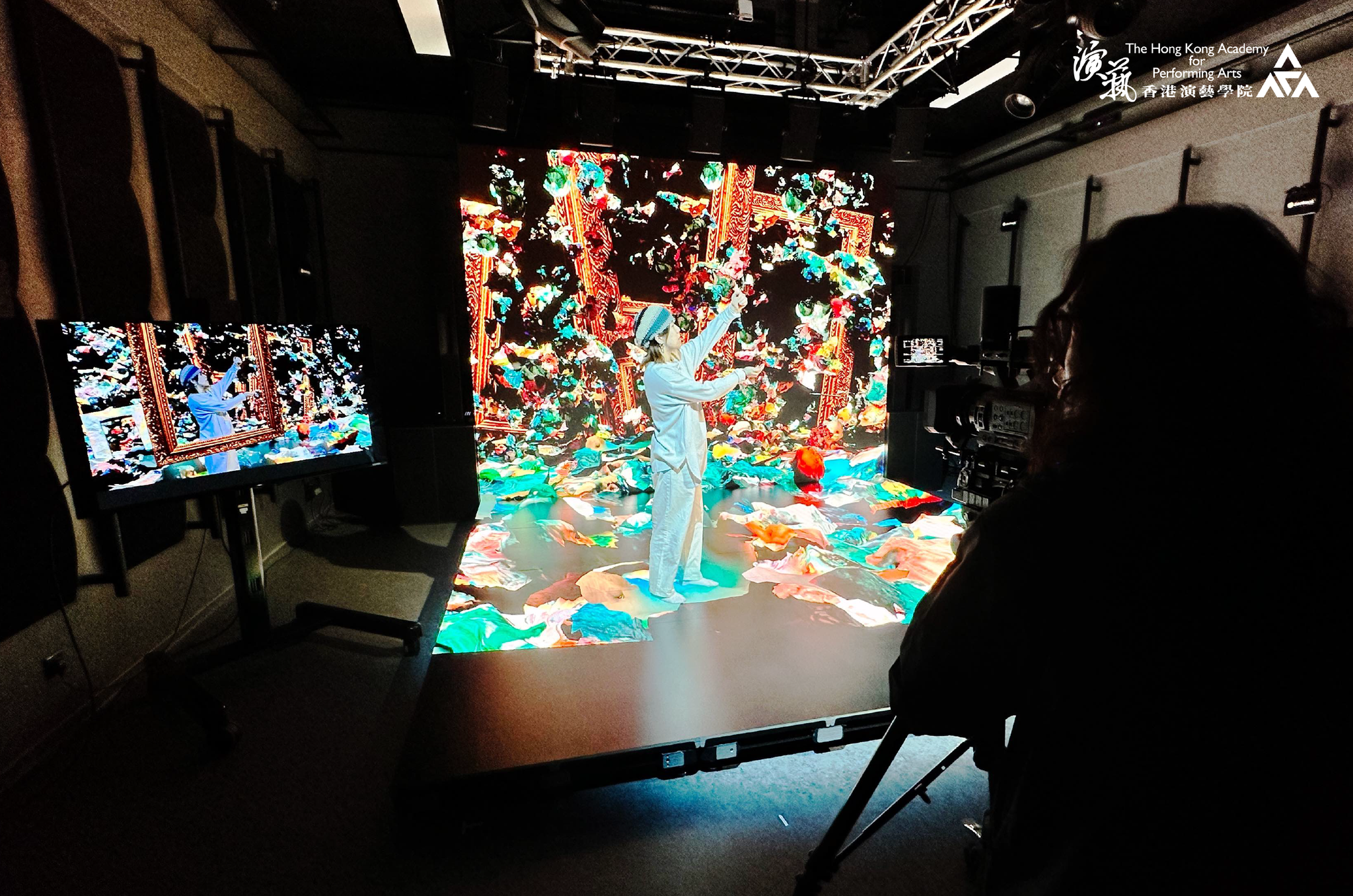
Equipped with advanced technologies and equipment, CMA is the new laboratory which supports new perspectives in teaching and creative projects for students. Led by the Department of Media Design and Technology faculty members, the HKAPA students staged a unique theatrical experience infusing technologies into arts.