National Taiwan University
Published on 8 December 2025





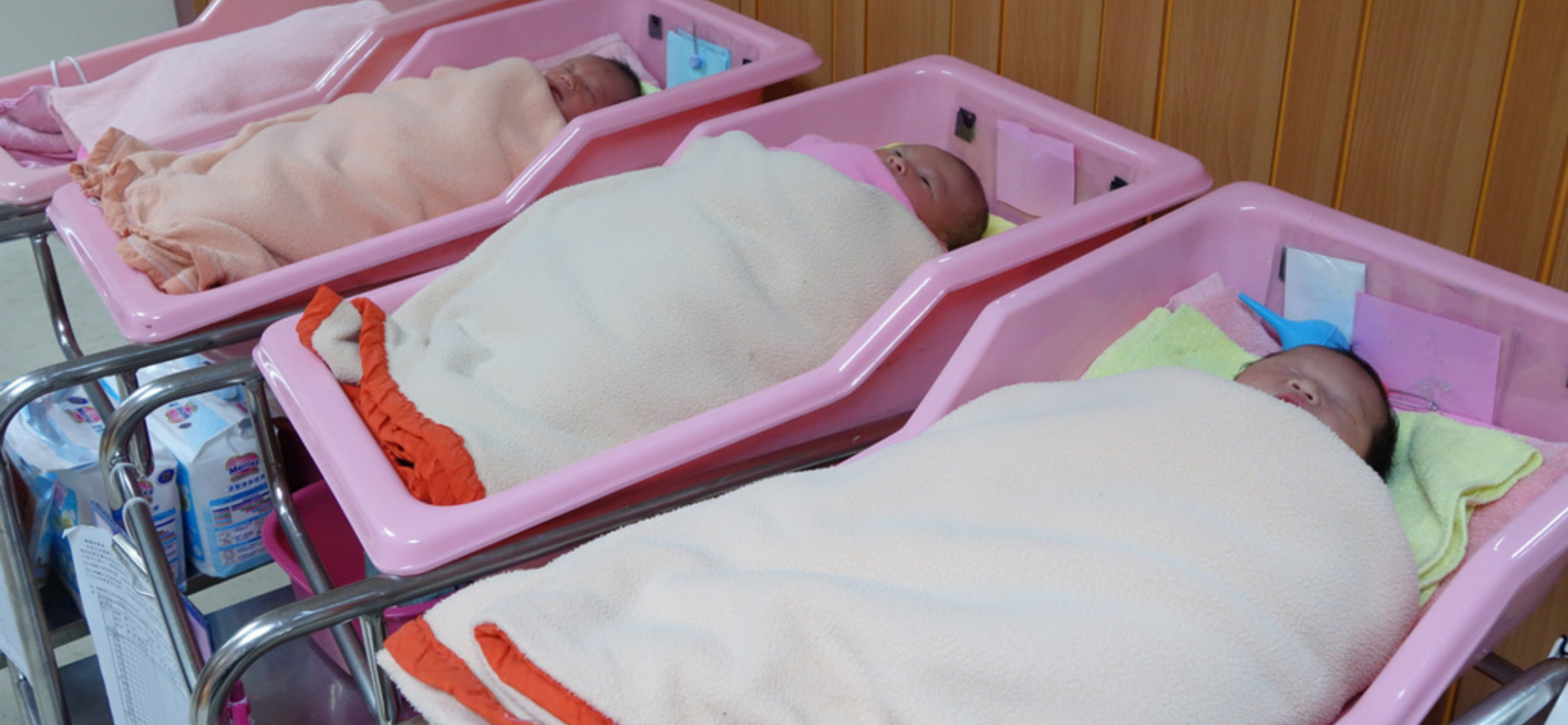
National Taiwan University (NTU) researchers have found that later-born children are less likely to develop allergic diseases compared to first-borns. The study revealed that birth order plays a significant role in childhood risks of asthma, allergic rhinitis, and atopic dermatitis.
The research was conducted by Dr. Chan Chin-kan of Taoyuan Hospital and led by corresponding author Prof. Chen Pau-chung, director of the National Institute of Environmental Health Sciences and attending physician at National Taiwan University Hospital (NTUH). By analyzing nationwide birth registration data from 2004 to 2014, the team discovered that second-born and third-born children had notably lower allergy risks regardless of gender, maternal age, or socioeconomic status.
As one of Asia’s leading institutions in medical and public health research, NTU continues to advance global understanding of environmental health, population science, and childhood disease prevention. The findings offer valuable insights into how Taiwan’s declining fertility rate — which has dropped from 3.69 in 1970 to 0.87 in 2023 — may be linked to rising pediatric allergies due to reduced early-life microbial exposure in smaller families.
The research team emphasized that this trend signals an important public health concern as allergic diseases continue to increase in Taiwan.