
Chulalongkorn University
Published on 9 April 2026





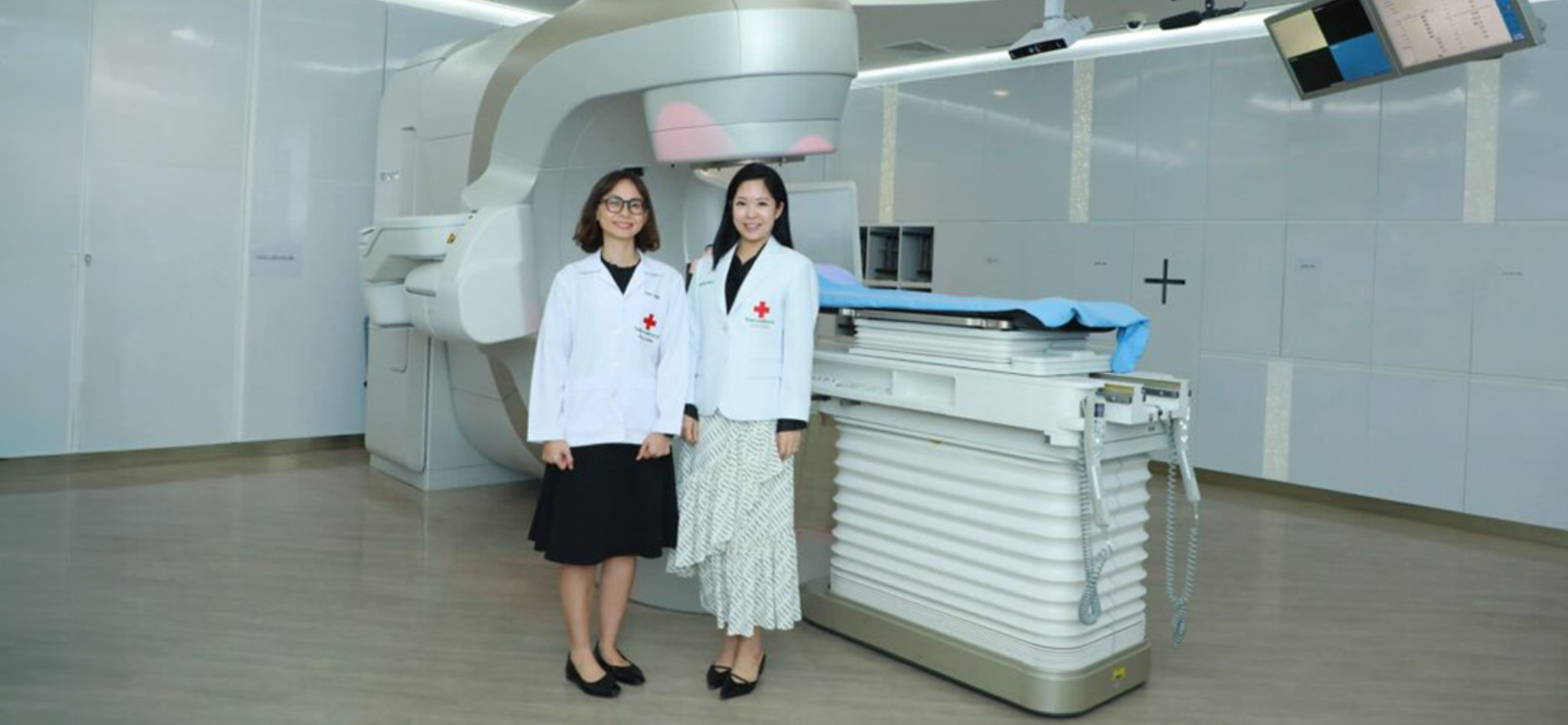
King Chulalongkorn Memorial Hospital, Thai Red Cross Society, has announced a breakthrough in implementing Surface-Guided Radiotherapy (SGRT) technology, which uses skin surface imaging to determine radiation positioning in breast cancer patients—without the need to draw ink marks on the skin. This marks the first use of such technology in Thailand. The system utilizes real-time 3D imaging for high precision, helping reduce patients’ concerns about appearance during treatment and allowing them to maintain a normal lifestyle throughout the therapy period.
Assoc. Prof. Dr. Jiruth Sriratanaban, Director of King Chulalongkorn Memorial Hospital, Thai Red Cross Society, and Dean of the Faculty of Medicine, Chulalongkorn University, affirmed that: “The adoption of SGRT technology to guide radiation treatment without skin markings reflects the hospital’s mission to elevate treatment standards while also caring for patients’ quality of life in every dimension—both physically and mentally. This success is the result of collaboration among multidisciplinary teams at Chulalongkorn Hospital, who not only treat disease but truly understand patients’ lives.”
Assoc. Prof. Dr. Chonlakiet Khorprasert, Head of the Department of Radiology at King Chulalongkorn Memorial Hospital, added, “Breast cancer is a major health issue for Thai women and worldwide. The number of patients continues to rise, making it essential for radiation therapy to advance in precision and reduce impacts on surrounding organs. The goal is not only to treat the disease but also to restore a good quality of life for patients.”
Ms. Pantiva Unhsiri, Senior Radiological Technologist specializing in medical physics, and Assoc. Prof. Dr. Kitwadee Saksornchai, a specialist in breast cancer radiotherapy at the Division of Radiation Oncology, explained that traditional radiation therapy requires permanent ink markings on the skin to identify treatment positions. This can affect both mental well-being and daily life, as many patients worry about their appearance, fear the marks fading, avoid normal bathing, or experience allergic reactions to the ink.
The medical team studied practices abroad and collaborated with medical physicists, radiological technologists, and nurses to develop the SGRT system using real-time 3D cameras instead of skin markings. This system can accurately identify and verify radiation positioning throughout the treatment. Patients can apply skincare products from the first day, significantly reducing skin irritation and burns.
A patient who underwent treatment with SGRT shared that initially they were concerned about radiation therapy, particularly pain and the skin markings they had heard about from others. However, with SGRT, they found they could shower, apply lotion, dress normally, and exercise throughout the full one-month treatment period without any limitations related to their appearance or daily life.
Read more at: https://www.chula.ac.th/en/news/297106/