
Chulalongkorn University
Published on 7 May 2026




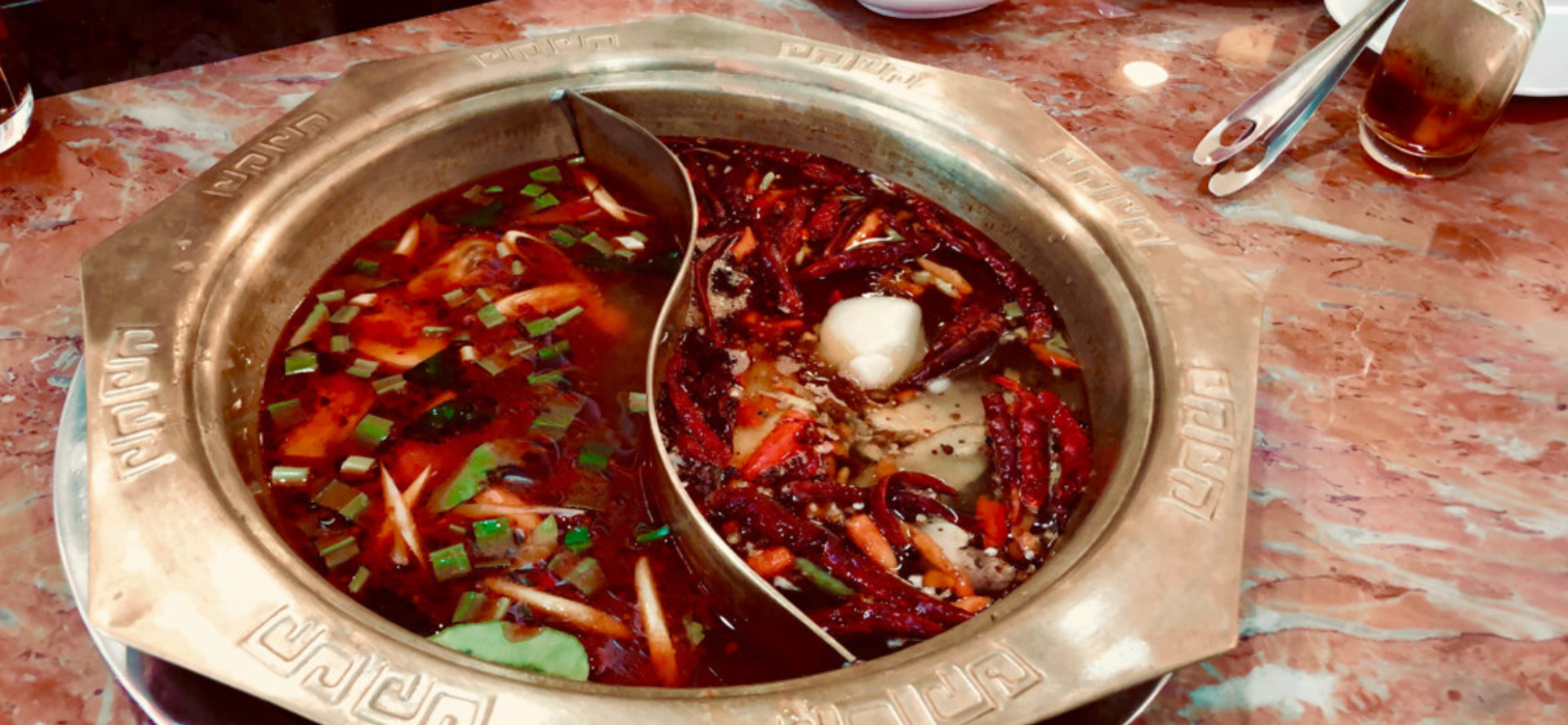
A lecturer from the Department of Food Technology, Faculty of Science, Chulalongkorn University, explains the source of the intense spiciness of mala, a key compound called sanshools, found in Sichuan pepper. Daily consumption and direct drinking of mala broth are not recommended.
Highlights
· Get to know "Mala," the Distinctive Numbing Spiciness from Sichuan
· What Ingredients and Spices are in Mala?
· Unraveling the Science: Why Does Eating Mala Make Your Tongue Feel "Numb"?
· The Double-Edged Nature of Mala: How to Enjoy the Flavor Without Health Risks
· Tips for Enjoying Mala Without Harming Your Health
· References
When it comes to today’s most popular food trends, it is hard to deny that mala has become a favorite flavor for many people. Whether in hot pot or street-side grilling, its distinctive aroma and the signature “tongue-numbing” sensation have swept across Thailand. However, behind this addictive taste lies an intriguing story rooted in food science.
Assoc. Prof. Dr. Kanitha Tananuwong, Department of Food Technology, Faculty of Science, Chulalongkorn University, illuminates us on the origin of the taste, as well as the chemical composition of the spice that draws many to the “tongue-numbing” taste.
Get to know “Mala,” the Distinctive Numbing Spiciness from Sichuan
The word “mala” (麻辣 Málà) is a combination of two Chinese words: 麻 (má), meaning “numbing,” and 辣 (là), meaning “spiciness.” Combined, it refers to a flavor that is both spicy and tongue-numbing at the same time.
Mala originated in Sichuan Province, located in the southwest of China, where winters are cold and damp. Consuming spicy food is therefore not merely a matter of taste but a form of traditional wisdom for stimulating metabolism and keeping the body warm.
“Sichuan savory dishes are typically spicy or numbing, guided by the principle ‘spicy but not deadly, spicy yet not drying’ 辣而不死,辣而不燥 (là ér bù sǐ là ér bú zào). This refers to a level of spiciness that the body can tolerate, not so harsh as to cause burning discomfort or lingering distress after eating,” explained Assoc. Prof. Dr. Kanitha, describing the culinary culture embedded in the flavor.
What Ingredients and Spices are in Mala?
Mala is a distinctive spice blend from Sichuan cuisine in China. Assoc. Prof. Dr. Kanitha notes that its key components include the following:
Chili peppers (辣椒 làjiāo; plants of the genus Capsicum), which provide the heat;
Sichuan peppers (花椒 huājiāo; plants of the genus Zanthoxylum), which have a distinctive aroma and produce a numbing sensation on the tongue;
Herbs and spices, such as star anise, cumin, and ginger, which enhance the overall flavor, giving it a bold and characteristic profile.
It is this variety of ingredients that allows mala to feature in many types of dishes, from grilling and stir-frying to the world-famous hot pot.
Unraveling the Science: Why Does Eating Mala Make Your Tongue Feel “Numb”?
Many people may wonder why the spiciness of mala differs from Thai bird’s eye chili, which produces a sharp, burning heat. Assoc. Prof. Dr. Kanitha explains that this is due to a key compound called sanshools.
“The numbing sensation comes from ‘sanshools,’ which are compounds in the alkylamide group. An important type is hydroxyl-α-sanshool, which is found in Sichuan pepper. These compounds stimulate receptors in the mouth responsible for pain, heat, and irritation, creating a tingling, numbing spiciness. This is different from the burning heat caused by capsaicin in Thai bird’s eye chili.”
This distinctive quality has allowed Mala to appeal to a wider audience. Even those who cannot tolerate very spicy food can still enjoy its layered numbing heat, rich with the aromatic notes of Chinese herbs. As a result, it has become a popular dish in many countries beyond China and Thailand.
The Double-Edged Nature of Mala: How to Enjoy the Flavor Without Health Risks
Assoc. Prof. Dr. Kanitha offers a balanced perspective as a food technologist: “Overall, consuming foods that contain mala can enhance aroma and flavor and may help stimulate appetite. However, the level of beneficial compounds present in such foods is likely not high enough to produce clearly measurable health effects.”
At the same time, it is important to be aware of the “hidden risks” associated with its preparation. Mala dishes often contain high levels of sodium from added salt to intensify flavor, as well as high fat content from oils used to extract aromatic compounds. Long-term consumption of excessive sodium (more than 2,000 mg per day) may increase the risk of hypertension and kidney disease, while regularly consuming high-fat foods may raise the risk of hyperlipidemia.
In addition, individuals with gastrointestinal conditions, such as acid reflux, gastritis, or inflammatory bowel disease, should avoid consuming large amounts of mala, as it may irritate the digestive tract and cause abdominal pain or discomfort.
Tips for Enjoying Mala Without Harming Your Health
To make mala consumption more health-conscious, Assoc. Prof. Dr. Kanitha offers two key recommendations:
· Avoid eating it every day: Rotate with other dishes to reduce the accumulation of sodium and fat in the body.
· Avoid drinking mala broth directly: If eating hot pot, use the broth only to cook meat and vegetables. Mala broth contains highly concentrated spices, as well as large amounts of salt and oil, which may negatively affect the digestive system if consumed directly.
In short, enjoying mala appropriately comes down to “moderation” and mindful consumption so that you can savor its flavor without compromising your long-term health.
References
ธเนศ ชัยวงค์, บุษกร วัฒนบุตร, & สินีนาถ สุขทนารักษ์. (2025). ถิ่นกำเนิดของรสชาติเผ็ดชาของหมาล่า. วารสารสังคมพัฒนศาสตร์, 8(10), 1-13.
Ji, Y., Li, S., Ho, C.-T. (2019). Chemical composition, sensory properties, and application of Sichuan pepper (Zanthoxylum genus). Food Science and Human Wellness, 8(2), 115-125. https://doi.org/10.1016/j.fshw.2019.03.008
Baidu Baike. (2025). 麻辣 [má là] (in Chinese) https://baike.baidu.com/item/%E9%BA%BB%E8%BE%A3/6801608
Read more at: https://www.chula.ac.th/en/highlight/301936/