GlobalConnectivity_IPB
Published on 2 February 2026




IPB University, in collaboration with Indonesia’s Ministry of Forestry (Kementerian Kehutanan RI), has initiated the development of a Wildlife Biobank and Assisted Reproductive Technology (ART) Center to strengthen wildlife conservation efforts in Indonesia. The partnership focuses on the planned collection, preservation, and application of genetic materials — including sperm, oocytes, embryos, and tissues — to support the recovery of endangered animal populations.
The Biobank facility, planned to be established at IPB University’s Dramaga Campus in Bogor, is envisioned as a national hub for research and innovation in biodiversity conservation. According to IPB University leadership, the initiative represents a strategic step to ensure that Indonesia’s wildlife genetic resources remain within the country, accessible for national and international research, rather than being exported abroad.
Priority species in the program include, among others, the Sumatran Rhino (Dicerorhinus sumatrensis) and the Javan Rhino (Rhinoceros sondaicus), both facing a critical risk of extinction. Researchers at IPB University emphasize that ART and biobanking are expected to serve as the backbone of long-term conservation strategies, particularly for species experiencing reproductive challenges in the wild. The technologies being developed include artificial insemination, in vitro fertilization (IVF), embryo transfer, and cryopreservation — integrating reproductive science with genetic preservation.
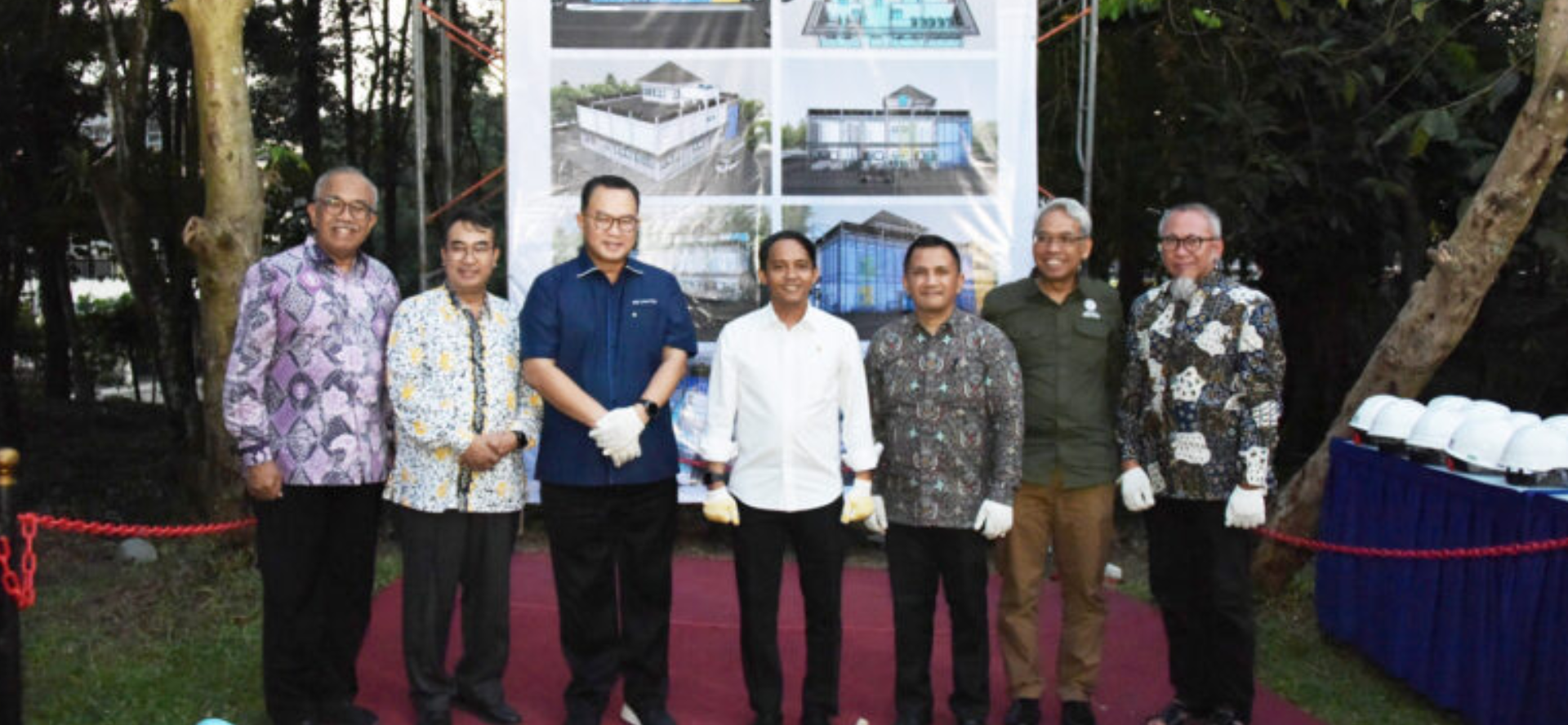
The soft launch and groundbreaking of the ART and Biobank Center took place on September 2, 2025, at IPB University’s Dramaga Campus. The event marked the beginning of a collaborative effort between the Ministry of Forestry and IPB University, attended by representatives from national and international conservation organizations. The facility will serve as a repository for wildlife genetic materials and is also planned to function as a training and research site for students, scientists, and conservation partners from Indonesia and abroad.
Beyond the scientific aspects, the initiative also plans to include capacity-building and human resource development programs. IPB University aims to become a national training center for genetic conservation and wildlife rehabilitation, producing experts capable of advancing Indonesia’s biodiversity conservation goals. The collaboration aligns with the Indonesian Biodiversity Strategy and Action Plan (IBSAP), which emphasizes the integration of research, technology, and genetic banking as adaptive strategies for sustainable biodiversity management.
With the establishment of the Biobank and ART Center, Indonesia is taking a major step toward building its capacity for genetic-based wildlife conservation. The facility is expected to help preserve the genetic heritage of native species, support the recovery of endangered animal populations, and strengthen Indonesia’s position as a future reference center for advanced biodiversity research and conservation technology in Southeast Asia.