Thammasat University
Published on 16 January 2026




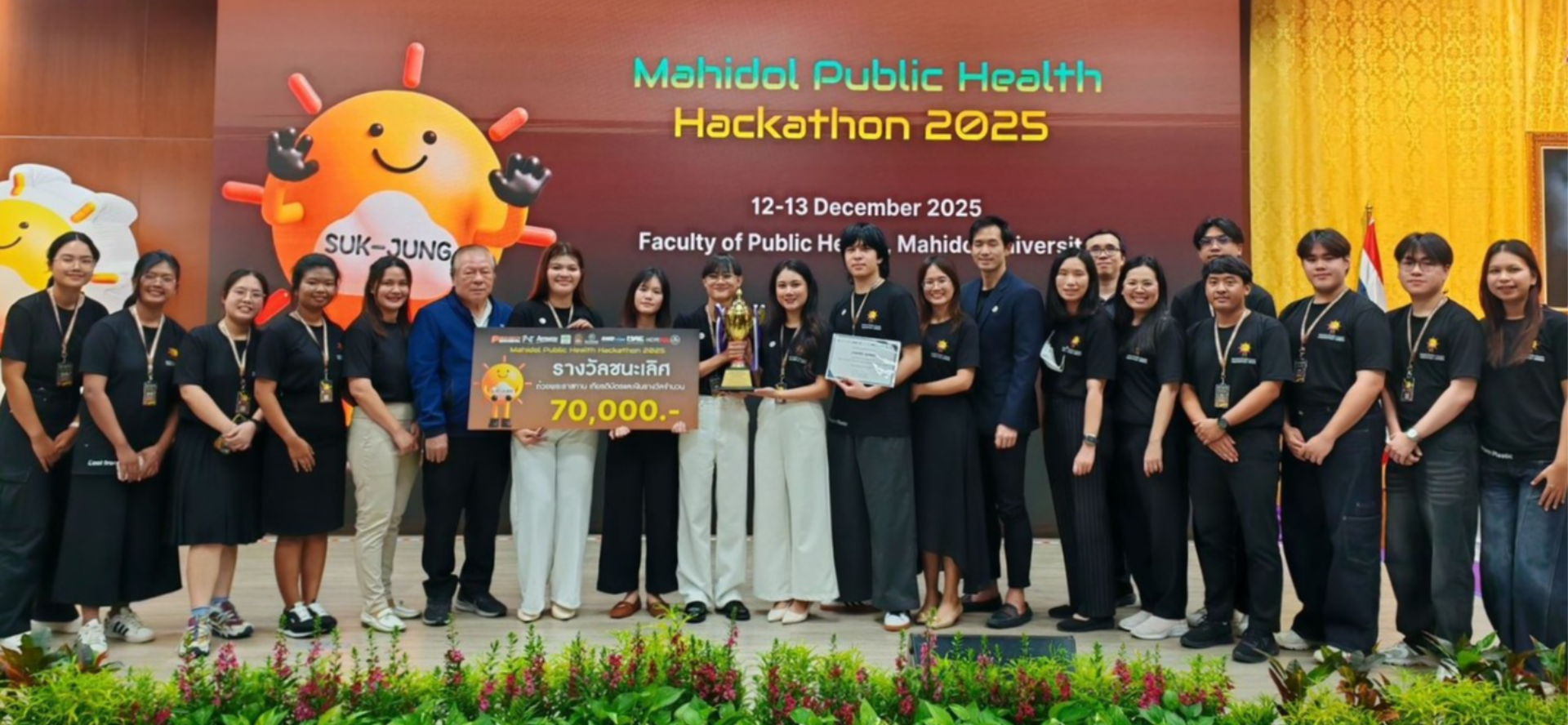
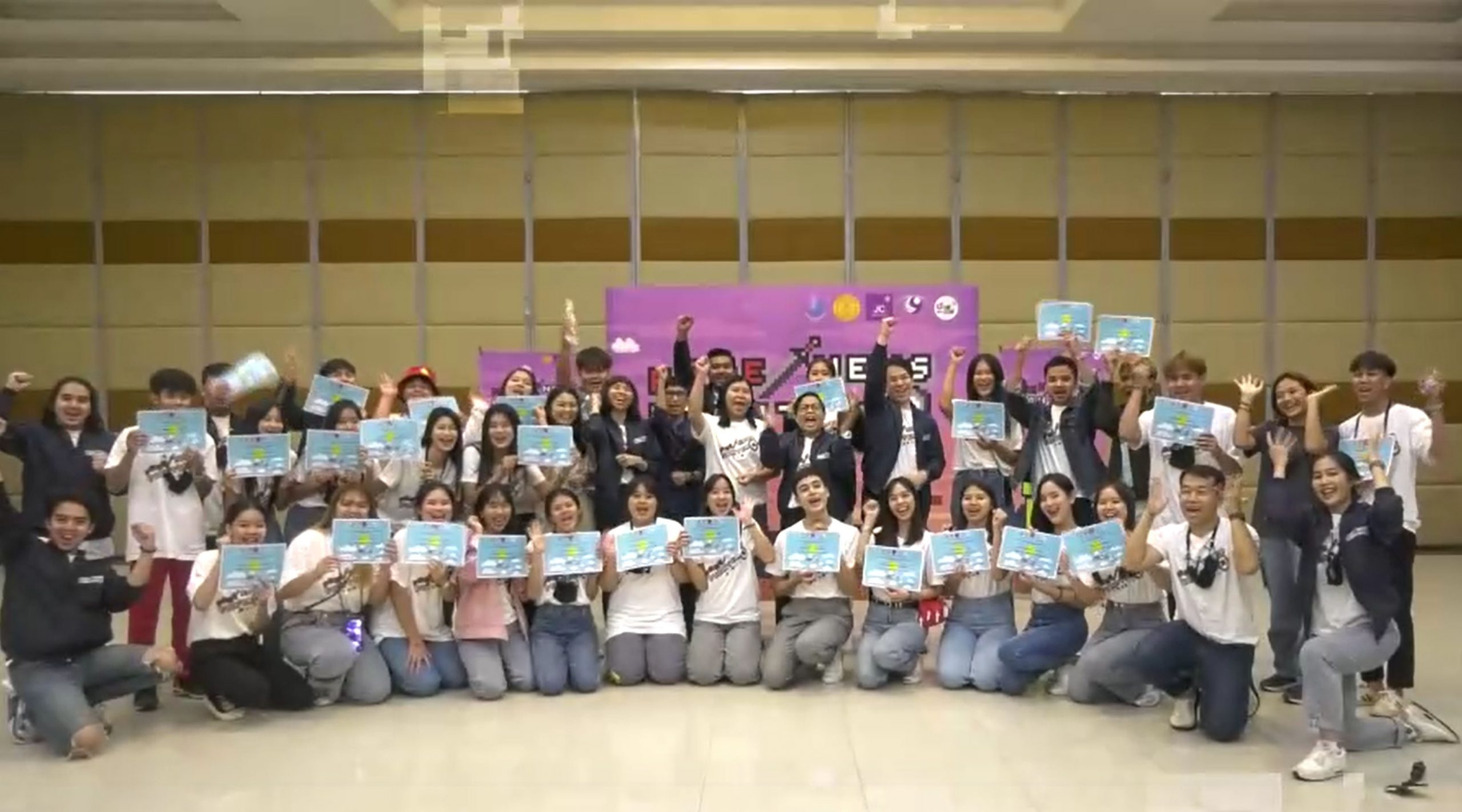
Livestock significantly contributes to methane release, a potent greenhouse gas driving climate change and affecting public health. Methane primarily comes from digestive fermentation in ruminants like cattle, leading many countries to implement controls. Recognizing this, students from Thammasat University (Public Health) and Chulalongkorn University (Commerce and Accountancy) developed the Cow Eco+ innovation to reduce cattle methane. Cow Eco+ won first prize at the Mahidol Public Health Hackathon 2025 on December 12-13, 2025.
The innovation development team consists of students from the Faculty of Public Health at Thammasat University, namely Adisorn Phutkaew, Sophita Rattanamankong, Kanokwan Kampranlan, Narathip Kengkarntham, and Piranat Pansaming, along with students from the Faculty of Commerce and Accountancy at Chulalongkorn University. The primary advisor is Asst. Prof. Dr. Kitrawee Jiraratsatit, a faculty member of the Faculty of Public Health at Thammasat University, with co-advisors including Dr. Rittikeard Prachumchai from the Faculty of Science and Technology at Thammasat University and Dr. Mayulee Suwankaew from the Faculty of Public Health at Thammasat University.
Adisorn, a Thammasat student, developed Cow Eco+, an innovative cattle dietary supplement. This shelf-stable blend of Thai herbs and modern technology maximizes active ingredients with reduced odor for easier consumption. Its primary goal is to reduce methane emissions, a major contributor to global warming. Cow Eco+ also improves cattle health by alleviating bloating, enhancing well-being, and providing antimicrobial/anti-inflammatory effects, thus reducing antibiotic use.
The Cow Eco+ innovation, led by Asst. Prof. Dr. Kitrawee, integrates public health, environment, agriculture, and Thai traditional medicine with technology to address livestock problems, focusing on holistic impact including minimizing drug residues and preventing contamination. The team is developing a practical formulation for farmers while stressing the connection between technical methane reduction results and tangible local environmental and health benefits.
Developing the Cow Eco+ innovation presented major challenges, as Peeranat Phansaming (Chulalongkorn University) noted, particularly working with non-communicative animals and creating a new, safe, practical solution. She emphasized meticulous development, safety research, and successful farmer implementation for sustainable environmental results. Sophita's approach to global warming, rooted in risk prevention, integrates the One Health concept with Thai herbs and technology, reflecting Thammasat's Public Health program's focus on innovative thinking and prevention. The program emphasizes experiential learning, teamwork, and collaboration to create integrated, sustainable positive societal impacts by addressing root causes.