Sogang University
Published on 19 January 2026




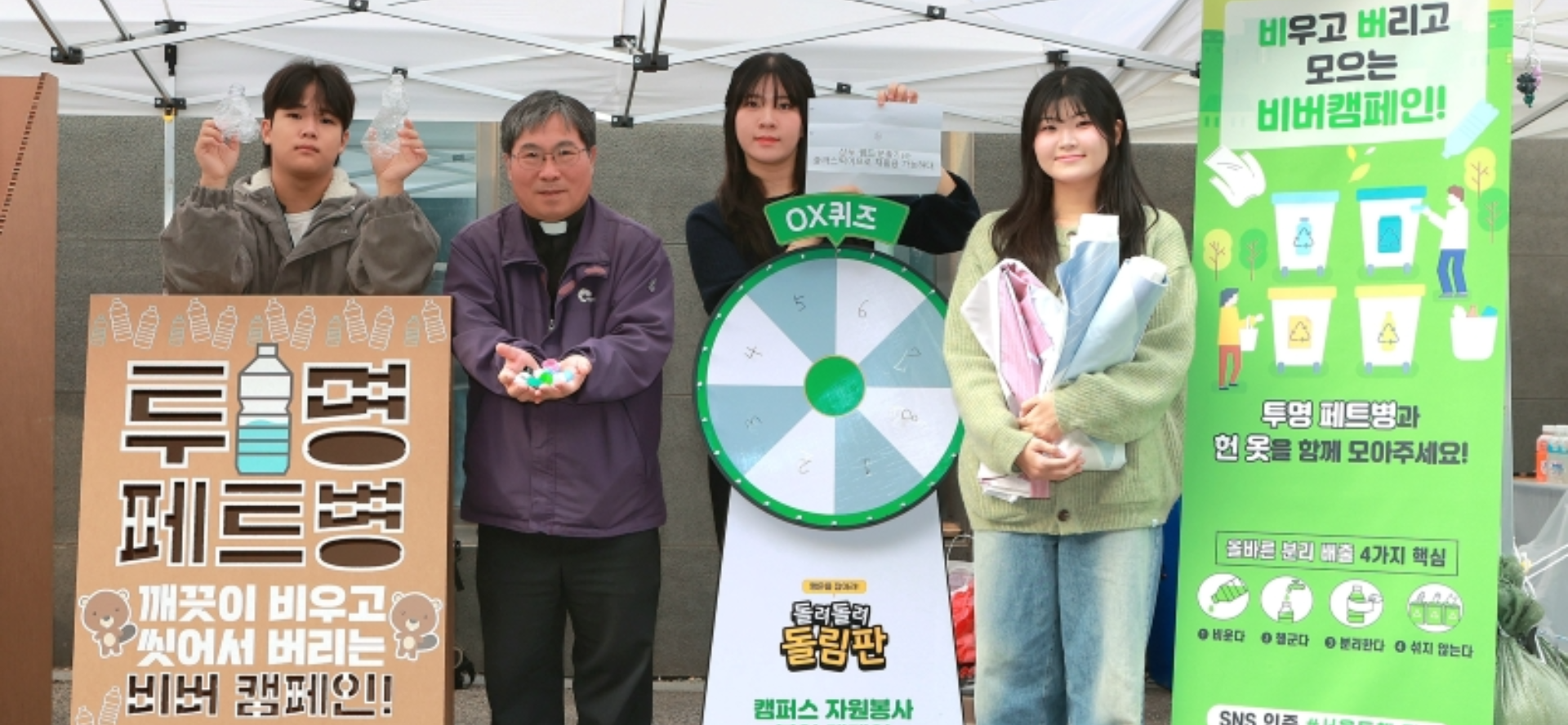
Sustainability is no longer an optional virtue for higher education; it is an imperative. Grounded in its identity as a Jesuit university, Sogang University has responded to this challenge not with rhetoric, but by constructing a cohesive ecosystem that links campus life, community engagement, cutting-edge research, and graduate education. By integrating the efforts of students, faculty, and practitioners, the university demonstrates how institutional missions rooted in social responsibility can be aligned with the concrete demands of a sustainable future.
On campus, abstract commitments are translated into tangible practices through student-led initiatives. A recent resource-circulation campaign illustrates this transformation. Students collected PET bottles, discarded textiles, and old banners, directing them into an upcycling process that produced fiber-panel benches for campus use. Beyond simple recycling, this initiative allowed students to observe how small individual actions—emptying leftover drinks, sorting bottles, or cleaning club rooms—can be materially reinvested into shared spaces.
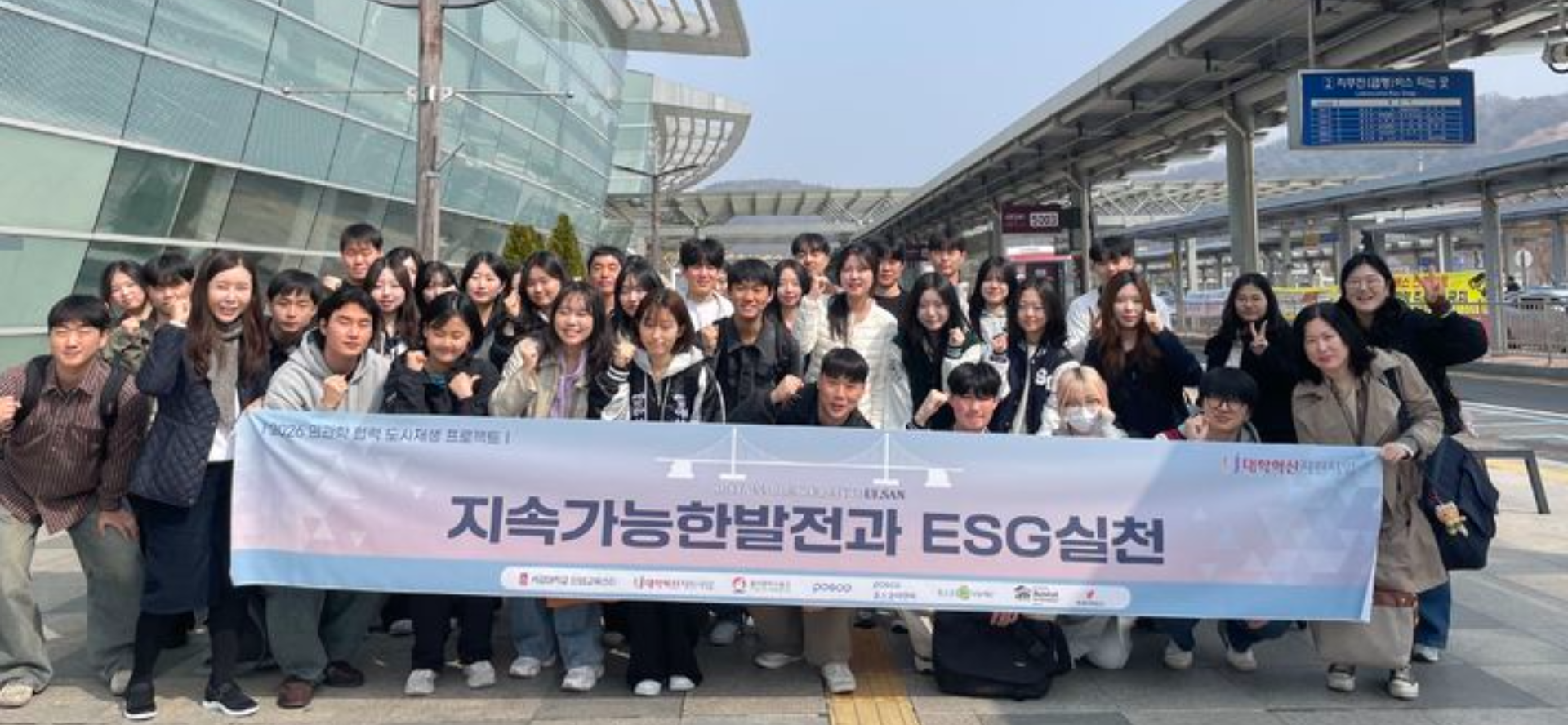
Sogang’s engagement also extends into local communities. In Jeonju, a community urban-innovation program brought together Sogang students and peers from other universities to co-design improvements for village walking trails and rest areas. This collaboration elevated a standard capstone design course into a practical intervention, resulting in infrastructural improvements that residents can directly experience.
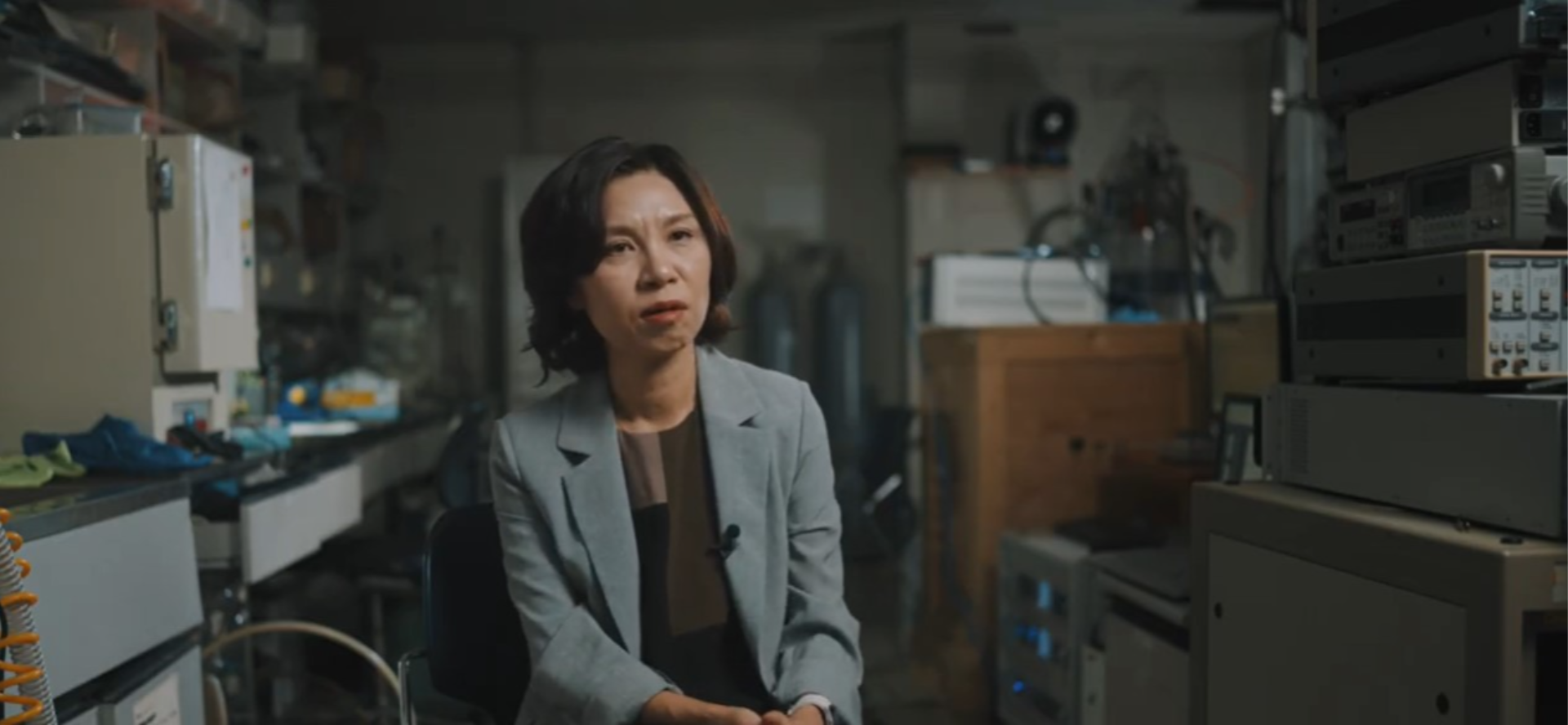
On the research side, the university addresses environmental challenges with scientific depth. In chemical and biomolecular engineering, Professor Jeyoung Park, together with colleagues from Inha University and the Korea Research Institute of Chemical Technology, has developed marine-biodegradable poly(ester amide) materials that combine high mechanical strength with rapid biodegradation, offering potential alternatives to nylon used in fishing gear and textiles. Likewise, Professor Jong Suk Lee’s group, led by doctoral researcher Ju Ho Shin, has produced a new class of extrinsically microporous polymer membranes with exceptional CO₂-separation performance, demonstrating clear industrial relevance for carbon-capture technologies.
Educationally, these values are institutionalized through the Graduate School of Economics. Since 2022, the Master’s program in ESG Economics has offered a specialized curriculum that combines micro and macroeconomics with ESG evaluation methods, corporate governance, financial-market dynamics, and labor policy. Its credit-sharing structure with MBA and other professional programs attracts a diverse cohort—including practitioners from finance, consulting, and corporate ESG roles—ensuring that coursework is consistently grounded in real-world cases and market developments.
Taken together, these initiatives depict a university pursuing a genuinely integrated approach to sustainability. From upcycled benches on campus to biodegradable materials in the laboratory and ESG strategies in the classroom, Sogang University is not simply preparing future professionals—it is actively contributing to the construction of a more sustainable society.